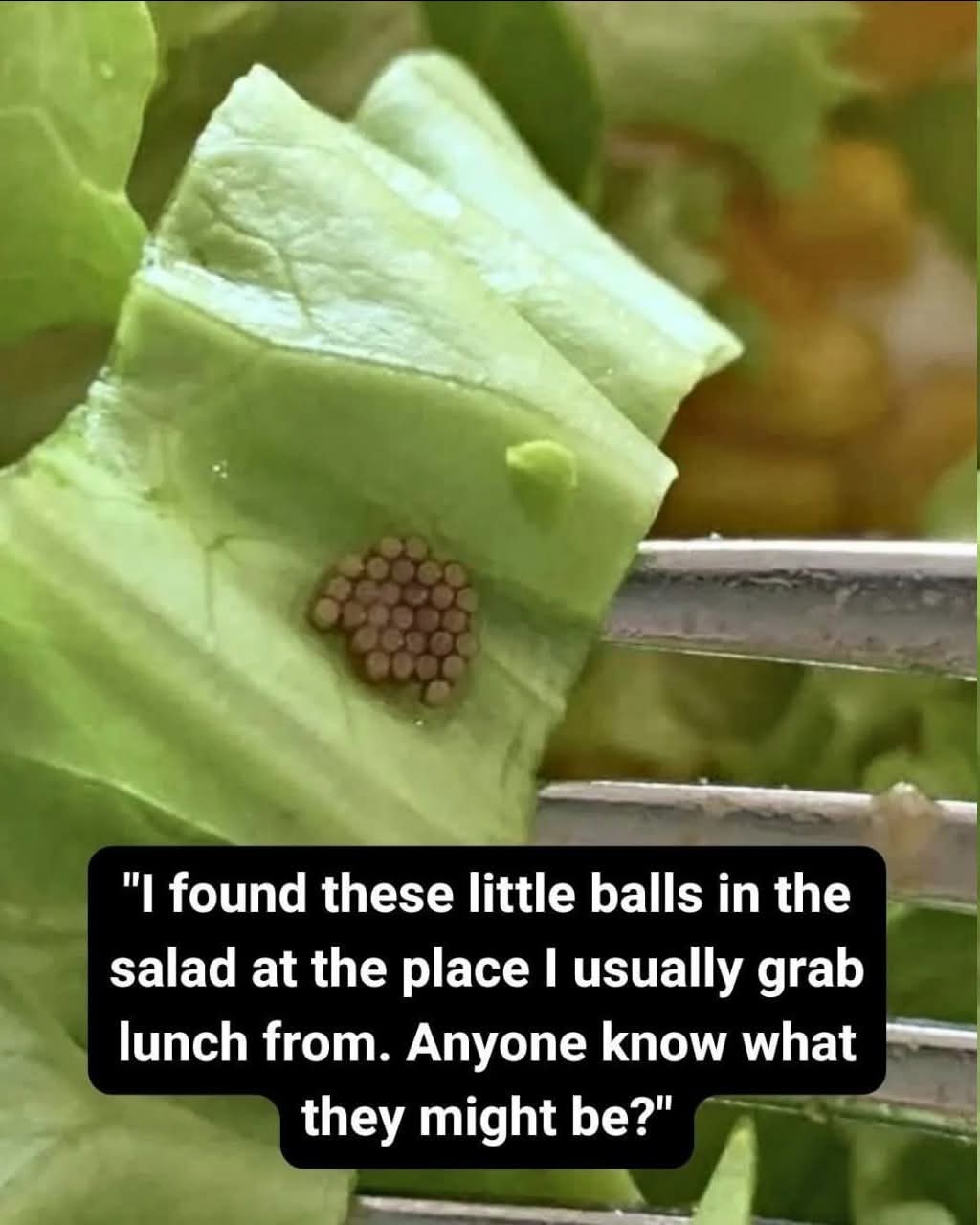
What To Do If It Happens in a Restaurant
Discovering something unusual in food while dining out can be uncomfortable and even embarrassing for some people. However, food safety guidelines recommend taking a calm and practical approach.
The first step is simply to stop eating the meal immediately. There is no need to continue consumption once something questionable has been identified.
Next, informing the restaurant staff is important. Most reputable food establishments take such reports seriously. In many cases, the response includes:
- Replacing the dish with a fresh one
- Offering a refund or discount
- Reviewing internal preparation and washing procedures
It is also helpful, when possible, to take a clear photo of the item in question. This provides clarity for both staff and management and helps prevent misunderstandings.
If a concern is dismissed or handled improperly, customers can escalate the issue to local food safety or health authorities. These agencies exist to ensure that restaurants maintain proper hygiene standards and follow food safety regulations.
Why Produce Can Sometimes Contain Foreign Material
Fresh vegetables and leafy greens go through multiple stages before reaching the consumer. These include planting, growing, harvesting, sorting, washing, packaging, transportation, and retail display.
At each stage, produce is exposed to different environments. Even with modern agricultural systems, complete isolation from natural elements is impossible.
Leafy greens such as lettuce, spinach, and arugula are particularly vulnerable because:
- They grow close to soil and moisture
- Their leaves fold and overlap, creating hidden spaces
- They are often harvested in large quantities quickly
- They are highly perishable, limiting excessive processing
Even industrial washing systems primarily aim to reduce dirt, debris, and contaminants rather than sterilize produce completely. This is why consumer-level rinsing is still recommended.
How to Reduce Risk at Home
While it is impossible to eliminate every potential natural contaminant from fresh produce, there are practical steps consumers can take to reduce risk and improve food quality at home.
The most important step is proper washing. Even pre-washed or packaged salads can benefit from an additional rinse under running water. This helps remove small particles that may remain after processing.
For leafy greens in particular, careful inspection is key. Leaves should be gently separated and checked for anything unusual hidden in folds or stems. This process only takes a few extra moments but significantly improves food safety.
Additional tips include:
- Using a clean colander when rinsing produce
- Drying leafy greens with a salad spinner or clean towel
- Storing vegetables properly to prevent spoilage
- Discarding any produce that looks unusual or damaged
These simple habits help reduce the likelihood of encountering unpleasant surprises while also improving overall freshness and taste.
A Reminder About Modern Food Safety
Incidents like this often feel alarming in the moment, but they also highlight something important: modern food systems are complex, and even with strict standards, natural variation still exists.
Food safety is not about achieving perfection — it is about managing risk, maintaining hygiene standards, and responding appropriately when issues arise.
For consumers, awareness and simple precautions go a long way. Most food remains safe, nutritious, and carefully handled throughout its journey from farm to table.
Still, moments like these serve as a reminder to slow down, look closer, and stay mindful of what we eat — even during the most routine lunch break.
