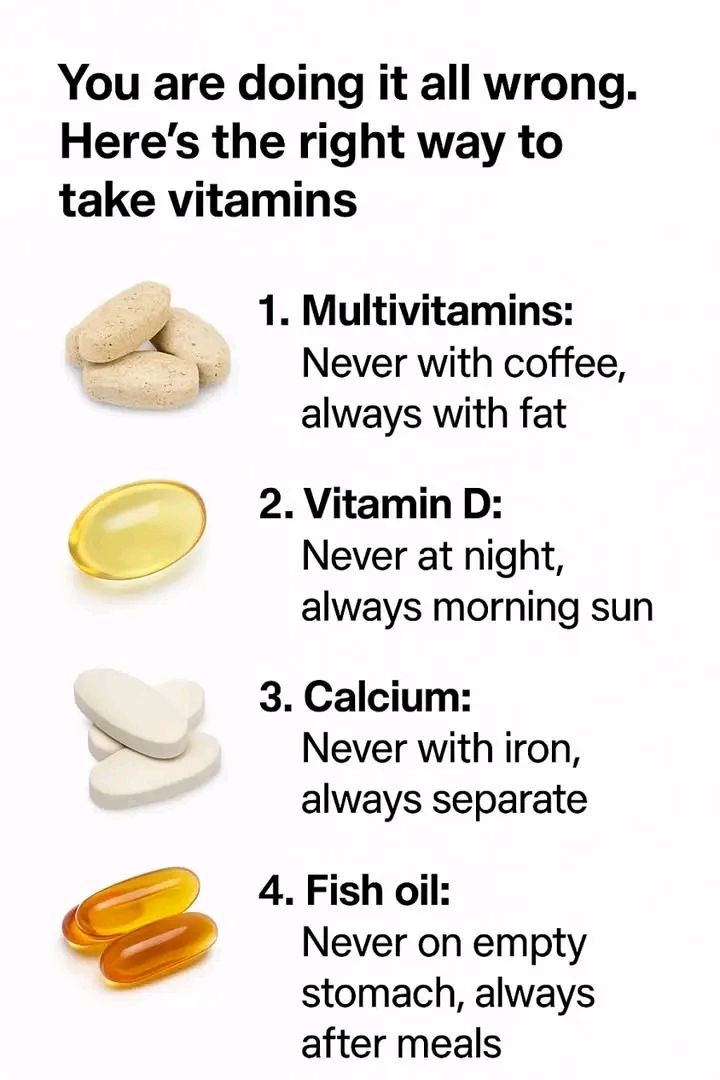
7. The Role of Food: Enhancing Vitamin AbsorptionThe presence of certain foods can significantly impact the absorption of vitamins. For instance, vitamin C-rich foods like oranges or strawberries can enhance the absorption of iron from plant-based sources. Similarly, pairing vitamin K-rich foods like kale with healthy fats can optimize its absorption. Including a variety of nutrient-dense foods in your diet not only ensures a balanced intake of vitamins but also maximizes their bioavailability.
8. Avoiding Overdose: Recommended Daily AllowancesWhile vitamins are essential for health, more is not always better. Exceeding the Recommended Daily Allowance (RDA) can lead to toxicity, particularly with fat-soluble vitamins that accumulate in the body. For example, excessive vitamin A can cause liver damage, while too much vitamin D can lead to calcium imbalances. It’s crucial to adhere to the RDA and consult with a healthcare provider before significantly increasing your vitamin intake.
9. The Impact of Lifestyle Choices on Vitamin EfficacyLifestyle factors such as diet, alcohol consumption, and smoking can affect how well your body absorbs and utilizes vitamins. For instance, alcohol can deplete B vitamins, while smoking can reduce vitamin C levels. Additionally, stress and lack of sleep can impair nutrient absorption. Adopting a healthy lifestyle that includes a balanced diet, regular exercise, and adequate rest can enhance the efficacy of your vitamin regimen.
