A Practical, Science-Backed Guide to Reducing Food Waste and Saving Your Favorite Loaves
I’ll be honest, I’ve been there: a hard, crusty loaf of bread sitting on the counter, and I’m thinking to myself, “Is this just stale bread, or is it time to let it go?” And I can’t be the only one! Bread has this crazy tendency to go from fresh, soft, and pillowy to rock-hard seemingly overnight.
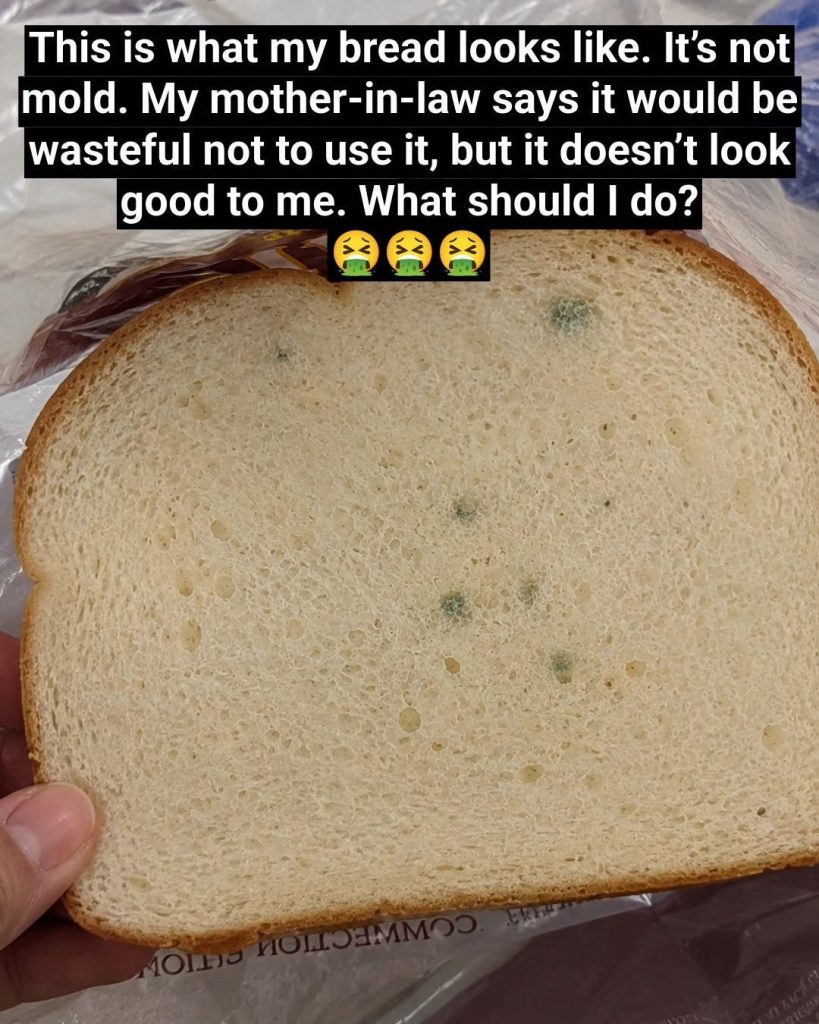
But now the real question: Is stale bread actually safe to eat? And what about those greenish-blue splotches that show up as if they were surprise guests at a party you never threw?
Let’s unpack this. Stale bread can absolutely be salvaged in many circumstances, but it helps to understand the crucial distinction between “past its prime” and “just plain unsafe.”
This article isn’t about strict rules; it’s about clarity. It’s about giving you honest, science-backed information so you can reduce food waste, save money, and transform a kitchen disappointment into a culinary win.
📋 Stale Bread: Quick Reference Guide
| Detail | Information |
|---|---|
| Is it safe? | Yes, if it is dry and completely free of mold. |
| Why it happens | Retrogradation: Starch molecules re-crystallize and expel water. |
| The Mold Rule | If you see green, blue, or white fuzzy spots, discard the entire loaf. |
| Best Revival Method | Wrap in foil and bake at 350°F (175°C) for 10–15 minutes. |
| Best Repurposing | Croutons, breadcrumbs, French toast, bread pudding, panzanella. |
| Storage Tip | Do not refrigerate! It accelerates staling. Freeze it instead. |
| Bottom Line | Stale bread isn’t trash; it’s a versatile, highly functional ingredient. |
💡 Key Insight: Staling is a textural change, not a safety issue. Mold, however, is a biological hazard. Knowing the difference saves both your health and your food budget.
❤️ Why This Conversation Matters:
See next page…
