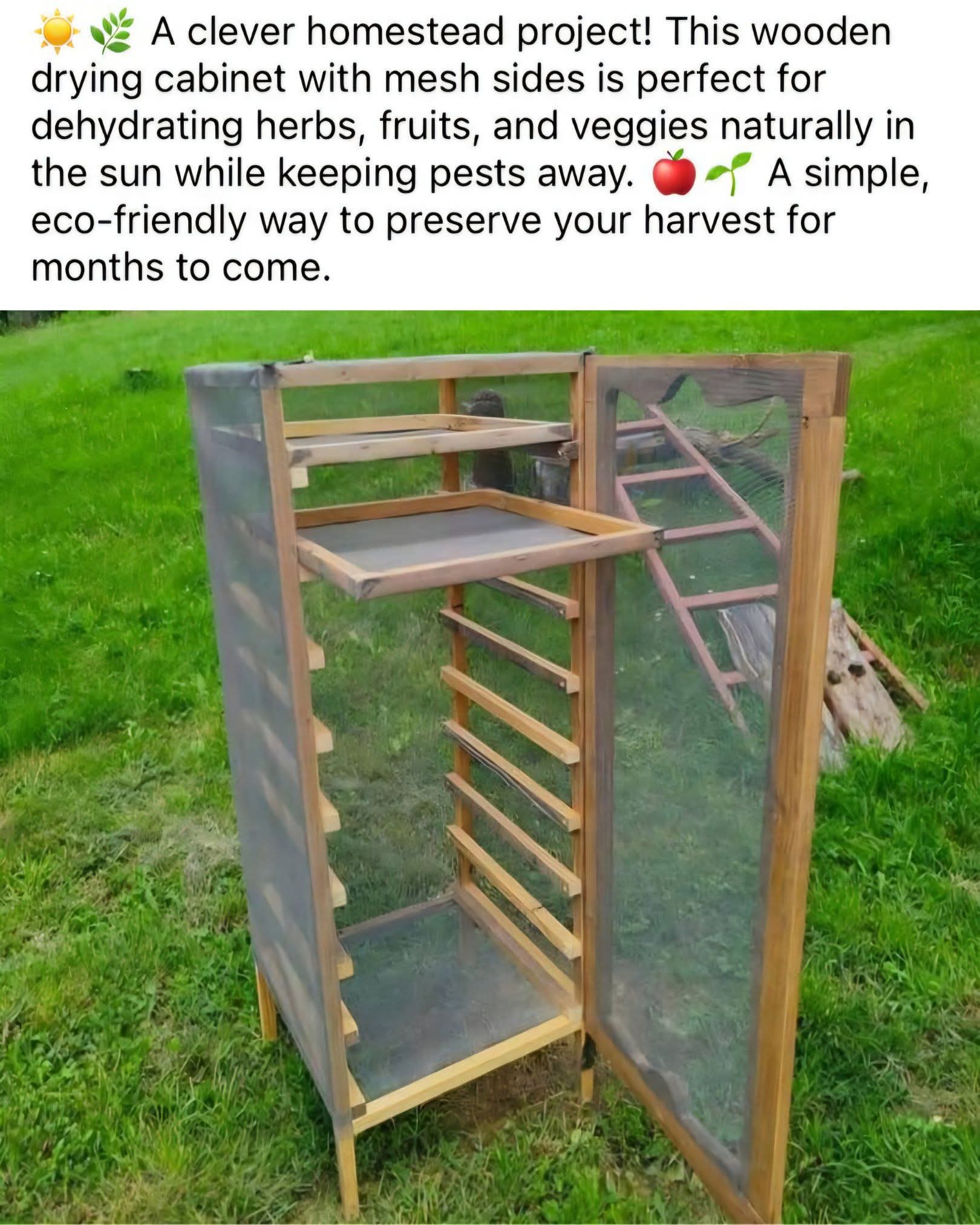
🌱 DIY Projects for a Self-Sufficient Backyard
Imagine stepping into your backyard and finding fresh vegetables growing in raised beds, rainwater stored for irrigation, compost turning kitchen scraps into rich soil, and fruit trees producing food just steps from your door.
A self-sufficient backyard doesn’t require acres of land or expensive equipment. With a few thoughtful projects and a little effort, almost any outdoor space can become more productive, sustainable, and rewarding.
Whether your goal is to grow food, reduce waste, save money, or simply become more connected to nature, these DIY projects can help transform your backyard into a thriving self-sufficient oasis.
🌿 Build Raised Garden Beds
Raised beds are one of the easiest ways to start growing your own food.
Benefits include:
- Better drainage
- Easier weed control
- Improved soil quality
- More efficient use of space
You can build raised beds using untreated wood, bricks, concrete blocks, or recycled materials. Once filled with quality soil and compost, they’re ideal for growing vegetables, herbs, and flowers.
Popular crops include:
🥕 Carrots
🥬 Lettuce
🍅 Tomatoes
🌶️ Peppers
🥒 Cucumbers
💧 Create a Rainwater Collection System
Water is one of the most valuable resources in any garden.
Installing a rain barrel beneath a downspout allows you to collect and store rainwater for later use.
Benefits include:
- Reduced water bills
- Less reliance on municipal water
- Sustainable irrigation source
Even a simple rain barrel can provide a surprising amount of water during the growing season.
🍂 Start a Composting Station
One person’s food scraps can become another garden’s treasure.
A compost bin transforms:
- Fruit peels
- Vegetable scraps
- Coffee grounds
- Grass clippings
- Dry leaves
into nutrient-rich compost.
Compost improves soil structure, increases fertility, and helps retain moisture.
Best of all, it reduces household waste.
🍓 Plant a Backyard Food Forest
A food forest mimics natural ecosystems by combining edible plants at different heights.
You might include:
🌳 Fruit trees
🫐 Berry bushes
🌿 Herbs
🍓 Ground-cover plants
As the system matures, it becomes increasingly productive with relatively low maintenance.
🐝 Build a Pollinator Garden
Many food crops depend on pollinators.
Creating a garden filled with nectar-rich flowers helps attract:
🐝 Bees
🦋 Butterflies
🐞 Beneficial insects
A thriving pollinator population can improve fruit and vegetable production while supporting local biodiversity.
🥔 Construct a Vertical Garden
Limited space doesn’t have to limit productivity.
Vertical gardens can be built using:
- Pallets
- Trellises
- Hanging containers
- Wall-mounted planters
They allow gardeners to grow more food in less space while adding visual interest to the yard.
🍄 Create a Mushroom Growing Area
Many edible mushrooms can be grown in shaded backyard spaces.
Common methods include:
- Inoculated logs
- Straw beds
- Wood chip gardens
Mushroom cultivation can provide a unique and rewarding addition to a self-sufficient backyard.
🌱 Save Seeds for Future Harvests
Seed saving is one of the oldest gardening traditions.
By collecting seeds from healthy plants, gardeners can:
- Reduce costs
- Preserve favorite varieties
- Become more self-reliant
Many vegetables, herbs, and flowers produce seeds that can be saved for future planting.
🔥 Build an Outdoor Cooking Area
A simple outdoor cooking space can make backyard living even more enjoyable.
Options include:
- Fire pits
- Brick grills
- Outdoor ovens
- Rocket stoves
Cooking outdoors can reduce indoor heat during summer and create a welcoming gathering place for family and friends.
🐔 Consider Backyard Chickens
Where local regulations allow, chickens can contribute to backyard self-sufficiency.
Benefits include:
🥚 Fresh eggs
🌱 Natural fertilizer
🐛 Insect control
🐔 Entertaining personalities
Even a small flock can provide valuable resources for a productive backyard.
🌳 Plant Fruit Trees
Fruit trees are one of the best long-term investments a gardener can make.
Depending on your climate, options may include:
🍎 Apples
🍐 Pears
🍑 Peaches
🍋 Citrus fruits
🍒 Cherries
While they require patience, fruit trees can provide harvests for many years.
The Benefits of Backyard Self-Sufficiency
A self-sufficient backyard offers more than food.
It can provide:
✅ Fresh produce
✅ Reduced grocery costs
✅ Outdoor exercise
✅ Environmental benefits
✅ Greater resilience
✅ A deeper connection to nature
Each project contributes to a backyard that works with nature rather than against it.
The Bottom Line
Creating a self-sufficient backyard doesn’t happen overnight.
It grows one project at a time.
A raised bed today.
A compost bin tomorrow.
A fruit tree next season.
Over time, these small improvements can transform an ordinary backyard into a productive space that provides food, beauty, and satisfaction year after year.
🌱 Which DIY self-sufficiency project would you start with first?
