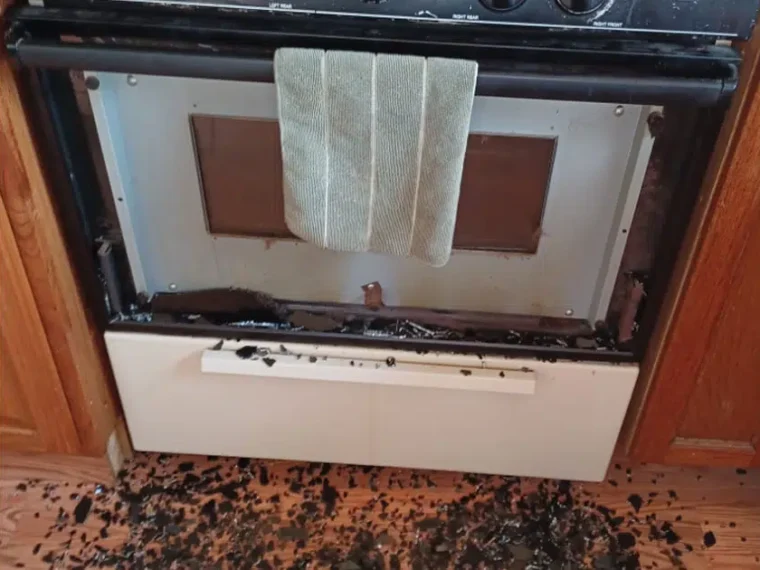
Why Do Oven Doors Shatter and How to Prevent It?
An oven door is designed to withstand high temperatures, but that doesn’t mean it is impossible to break. Sometimes, an oven door can suddenly shatter into hundreds of tiny pieces, leaving homeowners confused and wondering what went wrong. Although this can be frightening, there are several reasons why oven door glass breaks. Temperature changes, accidental impacts, damaged glass and manufacturing defects can all contribute to the problem. Understanding why oven doors shatter can help you prevent accidents, protect your family and keep your kitchen safe.
1. Sudden Temperature Changes
One of the most common factors that can contribute to oven glass breaking is thermal stress. Oven doors are usually made with specially designed tempered glass that can tolerate high temperatures. However, rapid and uneven temperature changes can create stress within the glass. For example:
- Pouring cold water onto a hot oven door.
- Wiping hot glass with a cold, wet cloth.
- Allowing cold objects to touch a heated door.
- Exposing one part of the glass to a sudden temperature difference.
When different areas of the glass expand or contract at different rates, the resulting stress can sometimes cause it to crack or shatter. How to prevent it: Allow the oven door to cool before cleaning it. Never spray cold water directly onto hot glass, and avoid placing cold or frozen objects against the door.
2. Small Chips and Scratches
A tiny chip or scratch might seem harmless, but it can weaken the glass. Tempered glass is manufactured to withstand considerable stress. However, damage to its surface or edges can compromise its strength. Even a small impact from a metal utensil, baking tray or other hard object may create a weak point. The damage might not cause immediate breakage. Instead, the glass could shatter later when exposed to heat or ordinary mechanical stress. How to prevent it:
- Avoid hitting the oven door with baking trays.
- Never slam the door shut.
- Keep sharp metal objects away from the glass.
- Inspect the door regularly for chips, cracks and damaged edges.
- Have damaged glass replaced rather than continuing to use it.
3. Manufacturing Defects and Spontaneous Breakage
TO CONTINUE READING THE ARTICLE PLEASE SEE PAGE 2
