🥧
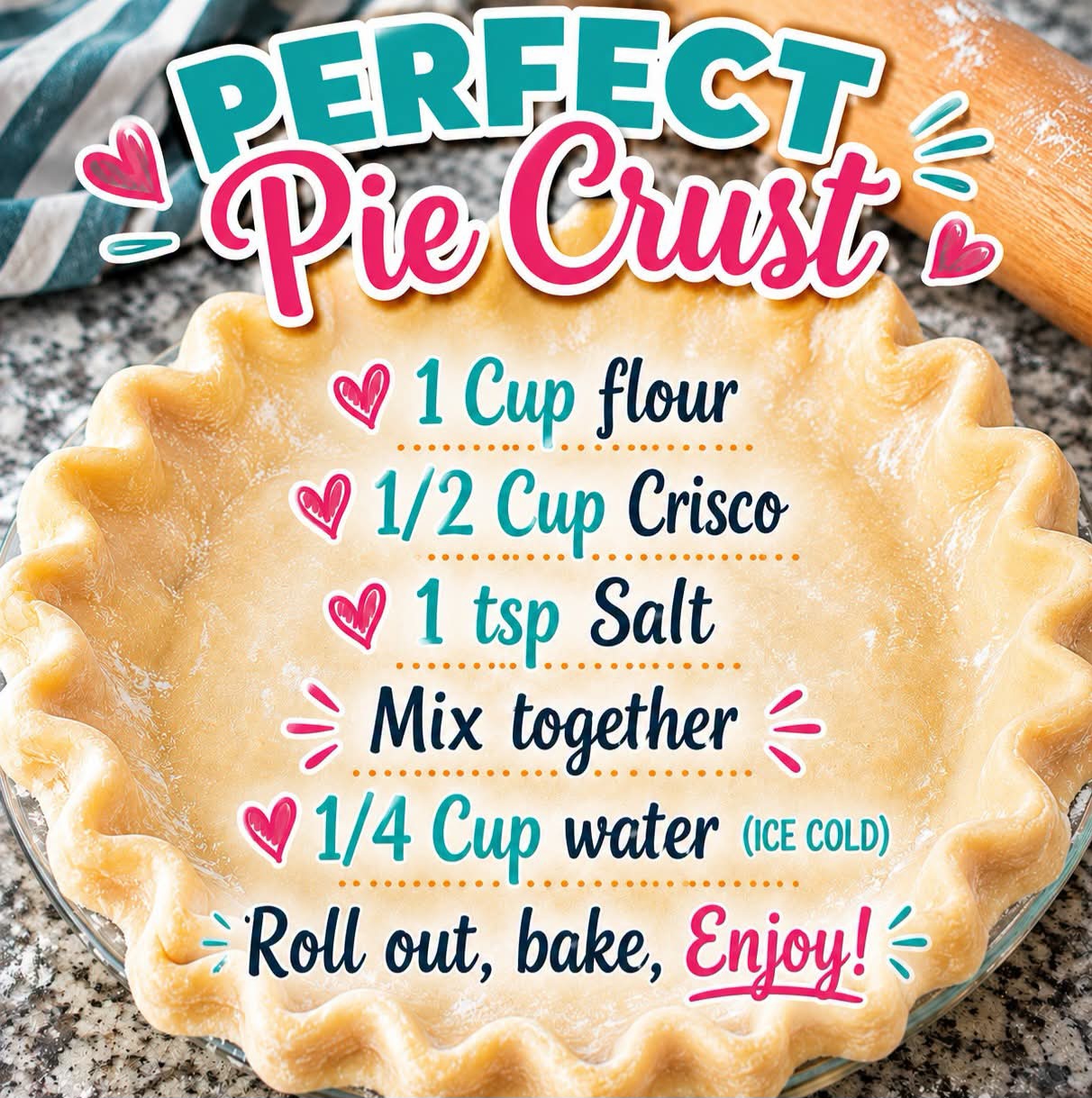
From Flaky All-Butter Crust to Foolproof Shortening & Butter Pastry
There is something special about a homemade pie. The filling may get most of the attention, but a truly great pie starts with the crust.
A good crust should be golden, tender, flaky, buttery, and sturdy enough to hold the filling without becoming soggy. And while pie dough can seem intimidating, the basic ingredients are surprisingly simple: flour, fat, salt, and liquid.
The real secret is knowing how to handle those ingredients.
Different bakers swear by different combinations—some prefer all butter, some use butter and shortening, while others love lard or cream cheese. There isn’t one crust that’s perfect for every baker or every pie. In fact, testing and comparison often shows that different fat combinations have different strengths. (Food Network)
So if you’re looking for the perfect crust for your next apple, peach, cherry, pumpkin, pecan, or chocolate pie, here are several excellent options to try.
🧈 1. Classic Flaky Butter & Shortening Pie Crust
This is the crust to try if you want a combination of buttery flavor, tenderness, flakiness, and easy handling.
A mixture of butter and shortening is popular because the two fats behave differently in pastry. Butter contributes wonderful flavor and helps create flaky layers, while shortening can make the dough easier to handle and help it hold its shape. (Food Network)
Ingredients
Makes 2 single pie crusts or 1 double-crust pie
- 2½ cups all-purpose flour
- 1 teaspoon salt
- ½ cup cold unsalted butter, cubed
- ½ cup cold vegetable shortening
- 6–8 tablespoons ice water
Directions
- Whisk the flour and salt together in a large bowl.
- Add the cold butter and shortening.
- Cut the fats into the flour using a pastry cutter or your fingertips until you have a mixture containing coarse crumbs and some larger pieces of fat.
- Add ice water, 1 tablespoon at a time, tossing gently with a fork.
- Stop adding water as soon as the dough begins to hold together.
- Turn the dough onto a lightly floured surface and gently bring it together.
- Divide into two portions and flatten each into a disk.
- Wrap and refrigerate for at least 30–60 minutes.
- Roll out on a lightly floured surface and use for your favorite pie.
Tip: Don’t try to make the dough perfectly smooth. Those visible pieces of cold fat are part of what creates flaky pastry. (King Arthur Baking)
🧈 2. All-Butter Pie Crust
If flavor is your number-one priority, an all-butter crust is hard to beat.
Butter gives pie crust a rich, unmistakable flavor, and properly handled cold butter can create beautiful flaky layers. The trade-off is that butter melts more readily than shortening, so keeping everything cold becomes especially important. (Châtelaine)
Ingredients
- 2½ cups all-purpose flour
- 1 teaspoon salt
- 1 cup cold unsalted butter, cubed
- 6–8 tablespoons ice water
Directions
- Combine flour and salt.
- Add cold butter.
- Cut the butter into the flour until you have a mixture with both small crumbs and larger pieces.
- Sprinkle in ice water gradually.
- Gently mix until the dough just comes together.
- Divide into two disks.
- Wrap and chill for at least 1 hour.
- Roll and bake according to your pie recipe.
The Golden Rule
Keep the butter cold.
If the butter becomes soft or greasy while you’re working, stop and refrigerate the dough. Cold butter is one of the most consistently emphasized secrets to flaky pie pastry. (Food Network)
🥧 3. Classic Double Pie Crust
This is the traditional workhorse crust for pies that need both a bottom and top crust.
It’s perfect for:
- Apple pie
- Cherry pie
- Peach pie
- Blueberry pie
- Strawberry-rhubarb pie
- Chicken pot pie
- Meat pies
A classic double crust can also be divided ahead of time, with one portion frozen for another pie. (King Arthur Baking)
Ingredients
- 2½ cups all-purpose flour
- 1 teaspoon salt
- ½ cup cold butter
- ½ cup cold shortening
- 6–8 tablespoons ice water
Prepare using the same method as the butter-and-shortening crust above.
Once chilled, roll one disk for the bottom crust, fill the pie, and roll the second disk for the top.
Cut a few small vents in the top crust before baking to allow steam to escape.
🥧 4. Easy Graham Cracker Pie Crust
Not every pie needs traditional pastry.
A graham cracker crust is especially good for creamy and chilled desserts.
Ingredients
- 1½ cups finely crushed graham crackers
- ¼ cup granulated sugar
- 6 tablespoons melted butter
- Pinch of salt
Directions
- Combine the crumbs, sugar, salt, and melted butter.
- Press firmly into the bottom and sides of a 9-inch pie plate.
- For a baked crust, bake at 350°F (175°C) for about 8–10 minutes.
- Cool completely before filling.
Great For
- Cheesecake-style pies
- Chocolate cream pie
- Lemon pie
- Peanut butter pie
- No-bake pies
- Banana cream pie
🥧 5. Cream Cheese Pie Crust
If you’re looking for something particularly tender and flavorful, cream cheese pastry is another option.
Cream cheese can make pie dough more forgiving and contributes richness and tenderness. Some pastry recipes use it specifically to help prevent excessive handling of the dough. (Food Network)
Ingredients
- 2 cups all-purpose flour
- ½ teaspoon salt
- 8 tablespoons cold butter
- 4 ounces cold cream cheese
- 2–4 tablespoons ice water, if needed
Directions
- Combine flour and salt.
- Cut in the cold butter and cream cheese.
- Mix until coarse crumbs form.
- Add just enough ice water for the dough to come together.
- Form into a disk.
- Chill for at least 30 minutes before rolling.
This crust is particularly delicious with fruit pies.
🍎 Which Crust Is Best for Different Pies?
Apple Pie
Butter + shortening or all-butter
Apple pie needs a crust sturdy enough to hold juicy fruit while still remaining flaky.
Peach Pie
Butter + shortening
The combination works beautifully with juicy summer peaches.
Cherry Pie
All-butter
The rich butter flavor pairs wonderfully with tart cherries.
Pumpkin Pie
All-butter or graham cracker
Both are delicious, depending on whether you want traditional pastry or a sweeter crumb crust.
Pecan Pie
All-butter
The richness of butter works beautifully with the caramel-like filling.
Cream Pies
Graham cracker or baked pastry
A crisp crust provides a great contrast to creamy fillings.
Savory Pies
Butter + shortening
The sturdy texture makes it a great choice for pot pies and other savory fillings.
❄️ 7 Secrets to a Perfect Pie Crust
1. Start With Cold Ingredients
Cold butter is one of the biggest keys to flaky pastry.
When the dough goes into the oven, the butter melts and helps create spaces and layers in the crust. (King Arthur Baking)
2. Don’t Add Too Much Water
Water is necessary to bring the dough together, but too much can encourage gluten development and leave you with a tougher crust.
Add it gradually.
You want the dough to just hold together, not become wet or sticky.
3. Don’t Overwork the Dough
Pie dough isn’t bread dough.
You don’t want to knead it until it’s smooth and elastic. Handle it gently and stop as soon as it comes together.
4. Leave Some Pieces of Butter Visible
This may feel wrong, but it’s actually what you want.
A mixture containing small crumbs and larger flattened pieces of cold butter can help create flaky layers as the crust bakes. (King Arthur Baking)
5. Chill Before Rolling
A resting period gives the dough time to relax and makes it easier to roll.
It also helps keep the fat cold.
6. Chill the Shaped Crust
After you’ve rolled and shaped your crust, another short chill before baking can be helpful, especially if the dough has become soft while you’re working with it.
7. Don’t Be Afraid of Imperfection
Your crust doesn’t have to look like it came from a professional pastry shop.
A few uneven edges, rustic crimping, and little flakes on the counter are part of homemade pie.
And once that golden crust comes out of the oven, nobody is going to complain about a slightly crooked edge.
🥧 How to Prevent a Soggy Bottom
One of the biggest pie frustrations is cutting into a beautiful pie only to discover a soft, underbaked bottom crust.
For juicy fruit pies, moisture management is especially important. One traditional trick is adding a thin absorbent layer between the pastry and fruit filling; crushed graham crackers are one example that can absorb excess moisture without producing the gummy texture some thickeners can create. (EatingWell)
Other helpful practices include:
- Don’t overload the pie with excessively watery filling.
- Bake the pie thoroughly.
- Make sure the bottom crust gets enough direct heat.
- Consider baking on a preheated baking sheet or pizza stone.
- Follow the filling recipe’s recommended thickener.
- Allow the finished pie to cool before slicing.
🥚 Should You Use an Egg Wash?
If you want a beautifully browned top crust, an egg wash can make a big difference.
Simple Egg Wash
- 1 egg
- 1 tablespoon water or milk
Whisk together and lightly brush over the top crust before baking.
For extra sparkle, sprinkle a little coarse sugar over a sweet pie.
🍓 The Best Fillings for Homemade Pie Crust
Once you’ve mastered the crust, the possibilities are endless.
Try filling your homemade pastry with:
🍎 Cinnamon apples
🍑 Fresh peaches
🍒 Tart cherries
🫐 Blueberries
🍓 Strawberries and rhubarb
🎃 Pumpkin custard
🥜 Pecan filling
🍋 Lemon custard
🍫 Chocolate cream
🍌 Banana cream
🥥 Coconut cream
You can even use the same basic pastry for savory pies.
🥧 The Best Pie Crust Is the One You Love
There really isn’t one crust that wins for every situation.
An all-butter crust gives you incredible flavor. A butter-and-shortening crust offers an appealing balance of flavor, flakiness, and ease of handling. A graham cracker crust is perfect for creamy and chilled pies, while cream cheese pastry brings a wonderfully tender texture.
Different recipe tests have reached different conclusions depending on what they prioritize, which is why pie crust preferences can be so personal. (Food52)
But no matter which recipe you choose, remember the essentials:
Keep the fat cold.
Use just enough water.
Don’t overwork the dough.
Give it time to chill.
And bake it until beautifully golden.
Because when you finally pull that pie from the oven and hear that first little crack of flaky crust, you’ll know the effort was worth it. 🥧❤️
What’s your favorite pie crust—ALL BUTTER, BUTTER + SHORTENING, GRAHAM CRACKER, or a family recipe that’s been passed down for generations? 👇
