Here’s a complete, evidence-based, SEO-friendly article for your website. It covers chia seeds’ nutritional value, potential health benefits, how to eat them, daily serving suggestions, possible side effects, and what scientific research actually says.
Chia Seeds: Evidence-Based Health Benefits and Nutrition Facts
Tiny but incredibly nutritious, chia seeds have become one of the most popular additions to healthy diets around the world.
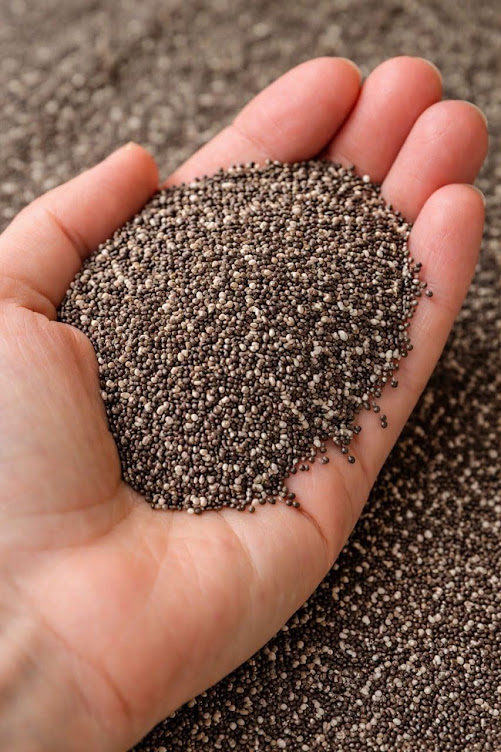
These little black and white seeds may look simple, but they contain an impressive combination of dietary fiber, plant-based protein, healthy fats, antioxidants, and essential minerals.
From supporting digestive health to providing plant-based omega-3 fatty acids, chia seeds offer several nutritional benefits that make them worth adding to everyday meals.
But are chia seeds really as healthy as people claim? Can they help with weight management, blood sugar, cholesterol, and heart health?
Let’s explore what chia seeds contain, what scientific research says about their potential benefits, and how to enjoy them safely.
What Are Chia Seeds?
Chia seeds come from the plant Salvia hispanica, which belongs to the mint family.
They are native to parts of Central America and have been consumed for thousands of years. Chia was an important food in ancient Aztec and Mayan cultures.
Today, chia seeds are enjoyed worldwide because of their nutritional value and versatility.
They are naturally:
- Small and oval-shaped.
- Usually black, gray, or white.
- Mild and slightly nutty in flavor.
- Rich in fiber and plant-based omega-3 fatty acids.
- Capable of absorbing liquid and forming a gel-like texture.
One interesting characteristic is their ability to absorb several times their weight in water. This makes them particularly useful in puddings, smoothies, overnight oats, and other recipes.
Chia Seeds Nutrition Facts
Chia seeds are nutrient-dense, meaning they provide several important nutrients in a relatively small serving.
According to Harvard’s Nutrition Source, a 1-ounce (28-gram) serving, approximately 2 tablespoons, contains:
| Nutrient | Amount |
|---|---|
| Calories | 140 |
| Protein | 4 g |
| Total carbohydrates | 12 g |
| Dietary fiber | 11 g |
| Fat | 9 g |
| Unsaturated fat | 7 g |
| Calcium | Approximately 18% of daily value |
| Iron | A useful plant-based source |
| Magnesium | A useful plant-based source |
| Phosphorus | A useful plant-based source |
Chia seeds also provide alpha-linolenic acid (ALA), an essential plant-based omega-3 fatty acid.
Their combination of fiber, healthy fats, and minerals makes them a valuable addition to a balanced diet.
1. Supports Digestive Health
One of the biggest nutritional advantages of chia seeds is their high fiber content.
Just two tablespoons provide approximately 11 grams of dietary fiber.
Fiber plays an important role in maintaining digestive health.
Chia seeds contain both insoluble fiber and soluble fiber. When they come into contact with liquid, some of their soluble fiber forms a thick gel.
This gel can help:
- Support regular bowel movements.
- Add bulk to stool.
- Support healthy digestion.
- Feed beneficial gut bacteria.
- Help maintain normal digestive function.
For people who do not consume enough fiber, adding small amounts of chia seeds to meals can be a convenient way to increase daily intake.
However, increase fiber gradually to reduce the possibility of bloating, gas, or abdominal discomfort.
2. Provides Plant-Based Omega-3 Fatty Acids
Chia seeds are particularly well known for their omega-3 content.
They are one of the richest plant sources of alpha-linolenic acid (ALA).
Omega-3 fatty acids are essential fats that the body needs but cannot produce in sufficient amounts on its own.
ALA contributes to several important functions in the body, including maintaining normal cell membranes.
The body can convert some ALA into EPA and DHA, two other omega-3 fatty acids, but this conversion is limited.
This means chia seeds are nutritious, but they should not automatically be considered a complete replacement for marine omega-3 sources such as oily fish.
Adding chia seeds to oatmeal, yogurt, or smoothies is an easy way to increase your intake of plant-based omega-3 fats.
3. May Support Heart Health
Chia seeds contain several nutrients associated with cardiovascular health.
These include:
- Alpha-linolenic acid.
- Dietary fiber.
- Magnesium.
- Antioxidant compounds.
Soluble fiber can help reduce the absorption of cholesterol in the digestive system, while replacing foods high in saturated fat with sources of unsaturated fats may support a healthier dietary pattern.
Some clinical studies have investigated whether chia seed consumption can improve cholesterol levels and blood pressure.
The results are promising in certain studies, but they are not completely consistent.
A 2025 umbrella review of previous research reported modest improvements in several cardiovascular risk markers, including blood pressure and some blood lipid measurements. However, the researchers also noted that the quality of evidence ranged from low to moderate.
Important: Chia seeds should be viewed as part of a heart-healthy eating pattern, not as a treatment for high cholesterol or high blood pressure.
4. May Help Support Healthy Blood Sugar Levels
The high fiber content of chia seeds may influence how quickly carbohydrates are digested and absorbed.
When chia seeds form a gel in the digestive tract, they can slow digestion and may help reduce the speed at which glucose enters the bloodstream after a meal.
Some small human studies have investigated their potential effects on blood sugar regulation.
However, research findings remain mixed.
Chia seeds are not a cure for diabetes and should never replace prescribed medication or medical advice.
They can still be a useful addition to balanced meals, particularly when combined with vegetables, whole grains, and protein-rich foods.
5. May Help With Fullness and Appetite Control
If you are trying to build healthier eating habits, chia seeds can be a useful ingredient.
Their combination of fiber, protein, and fat may help meals feel more satisfying.
When soaked, chia seeds absorb liquid and expand, forming a thick gel.
This texture can make foods such as smoothies, oatmeal, and yogurt more filling.
Fiber also slows digestion, which may contribute to a longer-lasting feeling of fullness.
However, chia seeds are not a miracle weight-loss food.
Although they can help improve the nutritional quality of meals, research has not consistently demonstrated that eating chia seeds alone produces significant weight loss.
Healthy weight management depends on overall eating habits, physical activity, sleep, and other lifestyle factors.
6. Provides Important Minerals for Bone Health
Chia seeds contain several minerals involved in maintaining healthy bones.
These include:
Calcium: Helps maintain strong bones and teeth.
Phosphorus: Works alongside calcium to support bone structure.
Magnesium: Contributes to normal bone development and maintenance.
Chia seeds can help contribute to daily mineral intake, particularly for people following plant-based diets.
However, they should be combined with other calcium-rich foods and a balanced diet rather than relied upon as the only source of bone-supporting nutrients.
7. Contains Antioxidants
Chia seeds contain naturally occurring antioxidant compounds, including polyphenols.
Antioxidants help protect cells from oxidative damage caused by unstable molecules known as free radicals.
Oxidative stress is associated with several processes involved in aging and chronic disease.
Including antioxidant-containing foods such as chia seeds, berries, vegetables, nuts, and whole grains can contribute to a varied and nutritious diet.
However, eating chia seeds does not guarantee protection against disease or eliminate oxidative stress.
8. Supports Plant-Based Nutrition
Chia seeds are particularly useful for people who eat vegetarian or vegan diets.
They provide:
- Plant-based protein.
- Fiber.
- ALA omega-3 fatty acids.
- Calcium.
- Magnesium.
- Phosphorus.
- Iron.
They also contain all nine essential amino acids, although their protein content per serving is relatively modest.
Adding chia seeds to other plant-based protein sources, such as beans, lentils, nuts, and soy foods, can help create a more varied nutritional intake.
How Many Chia Seeds Should You Eat Per Day?
There is no officially established daily requirement specifically for chia seeds.
However, many people start with 1 tablespoon per day and gradually increase to approximately 2 tablespoons if tolerated.
A typical 2-tablespoon serving provides:
- Approximately 140 calories.
- 11 grams of fiber.
- 4 grams of protein.
- Approximately 5 grams of ALA omega-3 fatty acids.
Remember that chia seeds are calorie-dense despite their small size.
You do not need to eat large quantities to enjoy their nutritional benefits.
The Best Ways to Eat Chia Seeds
One of the best things about chia seeds is how easy they are to incorporate into everyday meals.
Here are some simple ideas.
1. Chia Water
Ingredients:
- 1 tablespoon chia seeds.
- 1 glass of water.
- A squeeze of fresh lemon (optional).
Instructions:
- Add the chia seeds to a glass of water.
- Stir thoroughly to prevent clumping.
- Let them soak for approximately 15–30 minutes.
- Stir again once the seeds have formed a gel.
- Add lemon juice if desired.
Enjoy as a refreshing drink.
2. Homemade Chia Pudding
Ingredients:
- 2 tablespoons chia seeds.
- ½ cup milk or unsweetened plant-based milk.
- ½ teaspoon vanilla extract.
- 1 teaspoon honey or maple syrup (optional).
- Fresh berries for topping.
Instructions:
- Combine the chia seeds and milk in a small bowl or jar.
- Add vanilla and sweetener.
- Stir thoroughly.
- Refrigerate for at least 2–4 hours, preferably overnight.
- Stir again before serving.
- Top with fresh berries.
The result is a thick, creamy pudding that makes an excellent breakfast or snack.
3. Add Them to Smoothies
Add 1 tablespoon of chia seeds to your favorite smoothie.
They work particularly well with:
- Bananas.
- Strawberries.
- Blueberries.
- Mango.
- Spinach.
- Yogurt.
- Oat milk.
Blend everything together for a nutritious drink.
4. Sprinkle Over Breakfast
Add chia seeds to:
- Oatmeal.
- Greek yogurt.
- Breakfast bowls.
- Homemade granola.
- Fruit salads.
This is one of the easiest ways to increase your fiber intake.
5. Use Them in Baking
Chia seeds can be added to:
- Homemade bread.
- Muffins.
- Pancakes.
- Crackers.
- Energy bars.
- Homemade granola.
They add texture and nutritional value to baked goods.
Can Chia Seeds Replace Eggs?
Yes! Chia seeds can be used as an egg substitute in many baking recipes.
This is particularly helpful for people following vegan diets or those who need an alternative to eggs.
How to Make a Chia Egg
Ingredients:
- 1 tablespoon chia seeds.
- 3 tablespoons water.
Instructions:
- Mix the chia seeds with water.
- Stir thoroughly.
- Let the mixture stand for 10–15 minutes.
- Once thick and gel-like, use it as a substitute for one egg in many baked recipes.
Chia eggs work particularly well in muffins, pancakes, cookies, and quick breads.
They may not work as well in recipes that depend heavily on eggs for structure or rising.
Possible Side Effects and Precautions
Although chia seeds are nutritious, consuming them incorrectly or in excessive amounts can cause problems.
Here are a few things to keep in mind.
1. Digestive discomfort
Because chia seeds contain so much fiber, eating large quantities suddenly may cause bloating, gas, constipation, or abdominal discomfort.
Start with a small serving and increase gradually.
2. Drink enough fluids
Fiber needs adequate fluid to move comfortably through the digestive system.
Make sure you drink enough water throughout the day.
3. Avoid swallowing large amounts of dry chia seeds
Chia seeds absorb liquid and expand considerably.
Swallowing a large spoonful of dry chia seeds, particularly without sufficient liquid, can create a choking hazard or cause an obstruction in the esophagus.
Soak them first or mix them thoroughly into moist foods.
People with swallowing difficulties should seek medical advice before consuming them.
4. Allergic reactions
Although uncommon, allergic reactions to chia seeds are possible.
Anyone experiencing symptoms such as swelling, difficulty breathing, or a severe allergic reaction should seek emergency medical care.
5. Medication considerations
People taking medication for blood pressure, blood sugar, or blood clotting should discuss major dietary changes or concentrated chia supplements with their healthcare professional.
Chia seeds are a food, not a substitute for prescribed treatment.
Who Should Consider Adding Chia Seeds to Their Diet?
Chia seeds can be a useful addition for many people, particularly those who:
- Want to increase their daily fiber intake.
- Follow vegetarian or vegan diets.
- Want more plant-based omega-3 fatty acids.
- Enjoy nutritious breakfast options.
- Need convenient ingredients for smoothies and snacks.
- Want to add more variety to their meals.
As with any food, individual nutritional needs and tolerances differ.
Final Thoughts: Are Chia Seeds Worth Eating?
Absolutely! Chia seeds are a convenient, versatile, and nutrient-dense food that can contribute valuable fiber, plant-based omega-3 fatty acids, protein, minerals, and antioxidants to your diet.
Their potential benefits for digestive health, fullness, and cardiovascular health make them an interesting ingredient to include in everyday meals.
However, it is important to separate established nutritional facts from health claims that still require more research.
Chia seeds are not a miracle cure, a guaranteed weight-loss solution, or a replacement for medication.
The best approach is to enjoy them as one part of a balanced diet filled with fruits, vegetables, whole grains, legumes, nuts, and other nutritious foods.
Sometimes, improving your diet starts with something as simple as adding a tablespoon of seeds to your morning breakfast!
Have you tried chia seeds?
Tell us in the comments:
A. I drink chia water every morning.
B. I love homemade chia pudding.
C. I add them to smoothies and yogurt.
D. I haven’t tried them yet!
What’s your favorite way to enjoy these tiny nutritional powerhouses?
