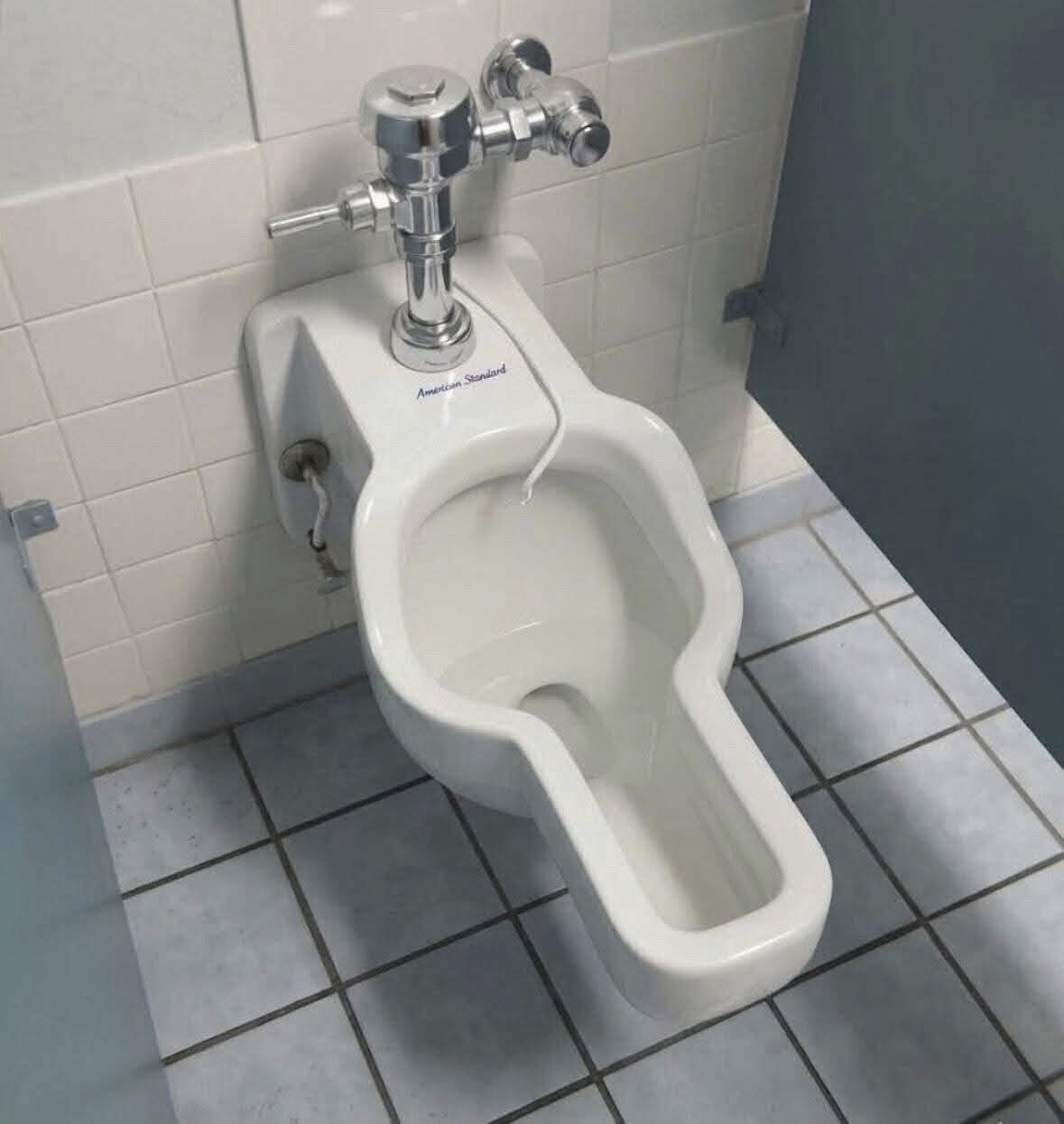
If you’ve recently visited the women’s restroom at the Huntsville Space Center (or other modern public facilities), you may have spotted something unexpected: a urinal designed specifically for women.
At first glance, it can be confusing. Urinals have traditionally been male-only fixtures. So why is this appearing in women’s restrooms? What’s the purpose? And should you use it?
Let’s break down this innovative restroom design that’s sparking conversations about hygiene, sustainability, and the future of public facilities.
🔍 What Exactly Is a Female Urinal?
A female urinal is a specially designed fixture that allows women to urinate while standing or in a semi-standing position. Unlike traditional seated toilets, these fixtures are engineered to accommodate female anatomy while minimizing contact with shared surfaces.
Key design features typically include:
A wider, uniquely shaped basin
Ergonomic positioning for comfort
Splash guards or barriers for privacy
Clear usage instructions or diagrams
Touchless or minimal-contact operation
💡 Think of it this way: Just as male urinals provide a faster, more hygienic alternative to sitting toilets for men, female urinals aim to offer similar benefits for women.
Why Are They Shaped This Way?
The distinctive shape isn’t arbitrary—it’s the result of thoughtful ergonomic design.
The anatomy-informed design addresses:
Biological differences: Female urination requires different positioning and flow management than male urinals.
Hygiene priorities: The shape minimizes splash-back and reduces the need to touch surfaces.
Accessibility: Some designs accommodate users with mobility challenges who may struggle with traditional seated toilets.
Efficiency: The basin design allows for quick use and easy cleaning between users.
Modern female urinals often resemble a wider, shallower basin with a gentle slope, sometimes accompanied by a disposable funnel device or built-in splash protection.
✅ The Top Benefits Driving Adoption
1. Improved Hygiene
Public toilet seats are a common source of anxiety. Many people hover over seats (which is actually worse for pelvic health) or use paper seat covers that don’t fully protect. Female urinals eliminate seat contact entirely.
Research shows: High-touch surfaces in public restrooms can harbor bacteria and viruses. Reducing contact points is a proven strategy for lowering transmission risk.
2. Shorter Wait Times
Anyone who’s waited in a long women’s restroom line at a stadium, concert, or airport knows the frustration. Traditional stalls take longer to use than urinals.
The math: If a stall takes 2–3 minutes and a urinal takes 30–60 seconds, facilities can serve 2–3x more users in the same timeframe. This is why female urinals are popular at:
Music festivals
Sports arenas
Transportation hubs
Large tourist attractions (like the Huntsville Space Center)
Read more on next page
