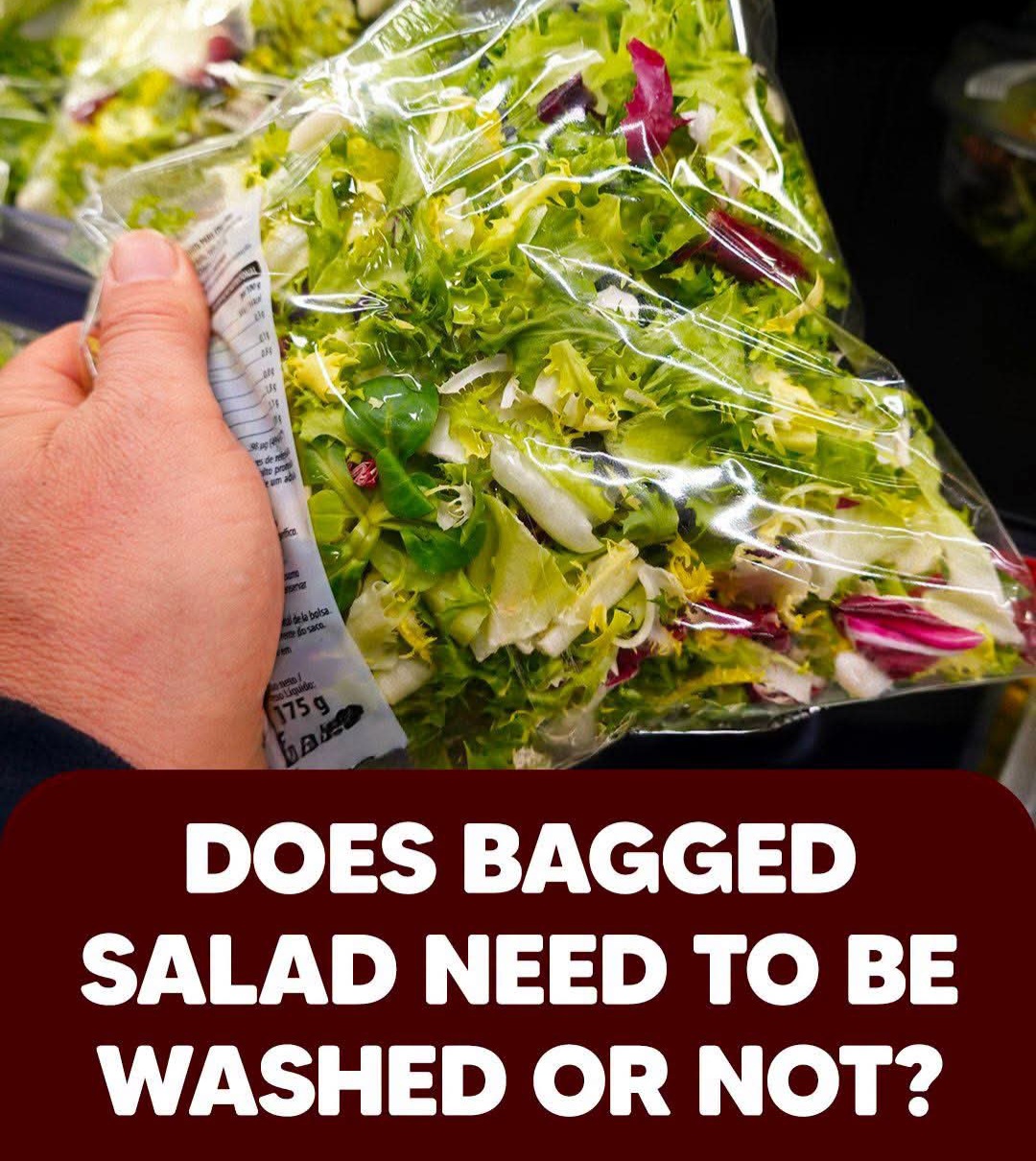
Is Bagged Salad at Risk of Listeria? What to Know and How to Recognize It, According to Experts
Pre-washed bagged salads are a convenient way to add more vegetables to your meals, but like any fresh produce, they can occasionally be linked to foodborne illness outbreaks. One bacterium that sometimes makes headlines is Listeria monocytogenes, which can contaminate ready-to-eat foods, including packaged leafy greens.
While the overall risk for most people is low, it’s important to understand what Listeria is, who is most vulnerable, how to reduce your risk, and when to seek medical advice.
What Is Listeria?
Listeria monocytogenes is a type of bacteria that can cause an infection known as listeriosis. Unlike many other foodborne bacteria, Listeria can continue to grow—even at refrigerator temperatures—which is one reason it receives close attention from food safety experts.
Although infections are relatively uncommon, they can be serious, especially for certain groups of people.
Can Bagged Salad Contain Listeria?
Yes, it is possible, but it’s not common. Fresh leafy greens can become contaminated at various stages, including growing, harvesting, processing, packaging, or transportation.
Most bagged salads are safe to eat, and food manufacturers follow strict safety practices. However, from time to time, public health agencies announce recalls when contamination is suspected or confirmed.
For that reason, it’s always a good idea to stay informed about current food recalls and follow any disposal or return instructions if a product you purchased is affected.
Who Is Most at Risk?
While many healthy adults may experience only mild symptoms—or none at all—certain groups have a much higher risk of severe illness, including:
- Pregnant women
- Adults aged 65 and older
- People with weakened immune systems
- Individuals receiving chemotherapy or taking medications that suppress immunity
- People with certain chronic medical conditions
Pregnancy deserves special attention because Listeria infection may cause only mild flu-like symptoms in the mother but can lead to serious complications for the unborn baby.
Symptoms of Listeria Infection
Symptoms can vary depending on the severity of the infection.
Mild illness may include:
- Fever
- Chills
- Muscle aches
- Fatigue
- Nausea
- Vomiting
- Diarrhea
If the infection spreads beyond the digestive system, symptoms may become more serious and include:
- Severe headache
- Stiff neck
- Confusion
- Loss of balance
- Seizures
Symptoms can begin within a few days of eating contaminated food, but in some cases they may not appear for several weeks.
How to Reduce Your Risk
Although you can’t eliminate every risk, these simple food safety habits can help reduce the chance of foodborne illness:
Check Recall Notices
Stay informed about food recalls from your country’s food safety authority. If a salad product has been recalled, do not eat it.
Keep It Cold
Refrigerate bagged salads promptly and keep your refrigerator at 40°F (4°C) or below.
Follow the Expiration Date
Avoid eating salads that are past their “use by” date or that show signs of spoilage.
Inspect the Package
Do not buy or consume bags that are torn, leaking, excessively swollen, or damaged.
Wash Your Hands
Always wash your hands before handling ready-to-eat foods.
Eat Promptly After Opening
Once opened, use bagged salad within a short time according to the package directions.
Should You Wash Pre-Washed Salad Again?
Many bagged salads are labeled “triple washed,” “washed,” or “ready to eat.” Food safety authorities generally advise that these products do not need additional washing. In fact, washing them again at home may increase the risk of cross-contamination if your sink or utensils are not clean.
If the package does not state that the salad is pre-washed, rinsing it under clean running water before eating is recommended.
When Should You Seek Medical Advice?
If you are in a high-risk group and develop symptoms after eating a food that has been recalled or is suspected of contamination, contact your healthcare provider promptly.
Seek urgent medical attention if you experience symptoms such as confusion, severe headache, stiff neck, loss of balance, seizures, or other signs of a serious illness.
The Bottom Line
Bagged salads are a healthy and convenient option for most people, and the vast majority are safe to enjoy. However, because Listeria monocytogenes can occasionally contaminate ready-to-eat foods, it’s important to practice good food safety, pay attention to product recalls, and store salads properly.
For most healthy individuals, the risk remains low. But people who are pregnant, older adults, or those with weakened immune systems should be especially cautious and stay informed about food safety alerts.
By following proper storage guidelines and checking recall notices when outbreaks occur, you can continue to enjoy fresh salads with greater confidence.
