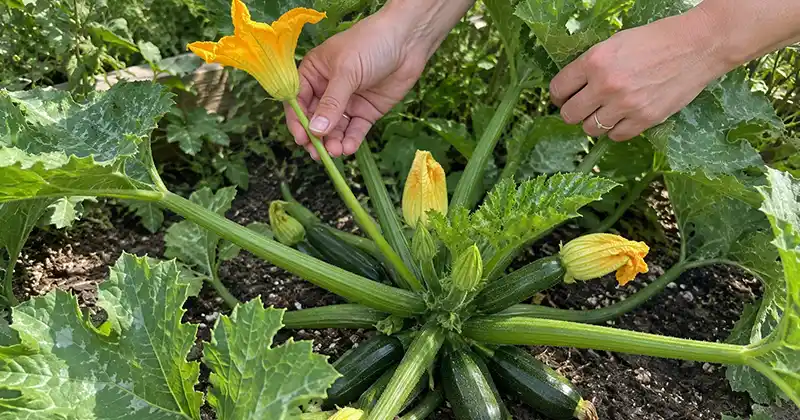
Zucchini plants produce a large number of bright orange and yellow flowers throughout the growing season. While most people focus only on harvesting the green zucchini vegetables, the flowers themselves are a delicious and delicate treat.

Many home gardeners and shoppers do not realize that zucchini plants grow two distinct types of blossoms: male flowers and female flowers. Because plants produce far more male blossoms than female blossoms, a huge portion of these edible flowers end up going to waste in the garden. Learning how to identify, pick, and cook male zucchini flowers allows you to enjoy an extra harvest without harming your crop.
Why Focus on Male Zucchini Flowers?
To make the most of your garden, it helps to understand why male flowers are the best choice for cooking:
- Natural Abundance: Zucchini plants routinely grow many more male flowers than female flowers, especially early in the summer season.
- Protecting the Fruit Crop: Female flowers are the ones that actually grow into zucchini vegetables. Leaving female flowers intact ensures you get a full harvest of squash.
- Pollination Security: You only need a single male flower to pollinate several female flowers. This means you can pick most of the male flowers for kitchen use while leaving one or two on the plant to handle pollination.
- Zero Waste: Picking male blossoms turns an unused part of the plant into a gourmet meal instead of letting it wither away on the stem.
Key Health and Nutritional Benefits
Male zucchini flowers are not just attractive; they are also packed with useful nutrients. Because they are light and water-rich, they offer several health benefits:
- Extremely Low in Calories: A full cup of fresh blossoms contains only about five calories and virtually zero fat, making them an excellent choice for light eating.
- Rich in Vitamin A: The bright yellow and orange color comes from plant pigments that convert into Vitamin A in the body. Vitamin A supports healthy vision, strong immunity, and healthy skin.
- High in Vitamin C: Fresh squash flowers contain Vitamin C, an essential antioxidant that protects cells from damage and aids in collagen production for healthy tissue.
- Good Source of Essential Minerals: These flowers provide small amounts of calcium for bone strength, iron for blood health, and potassium to help regulate blood pressure.
- Easy to Digest: The delicate petals and high water content make these blossoms gentle on the stomach and easy for the digestive system to process.
How to Identify and Prepare Male Flowers
Before cooking, you need to know how to spot male flowers and prepare them safely for eating:
- Look at the Base: Male flowers sit on long, thin, plain stems. Female flowers sit on short stems with a tiny, swollen baby zucchini growing right behind the petals.
- Pick in the Early Morning: Pick your flowers early in the morning when the petals are fully open. This makes them much easier to clean and fill.
- Rinse Gently: Wash the blossoms by dipping them briefly in a bowl of cold water to clear away any dirt or tiny bugs, then pat them dry with paper towels.
- Remove the Stamen: Reach inside the flower petals and gently pinch or snip out the central yellow stem (the stamen). While harmless, the stamen can taste slightly bitter.
- Keep the Main Stem: Leave an inch or two of the main stem attached to the flower base. This stem is fully edible and serves as a natural handle when dipping or cooking.
Most Popular Ways to Prepare Male Zucchini Flowers
Zucchini blossoms have a mild, slightly sweet flavor that tastes like a soft version of young zucchini. Their hollow center and delicate petals make them versatile in the kitchen. Here are the most popular preparations:

1. Stuffed and Baked (or Fried)
This is the classic way to enjoy zucchini blossoms.
- Fill the center of each flower with soft ricotta cheese mixed with parmesan, garlic, salt, and fresh herbs like basil or parsley.
- Twist the tips of the petals together to seal the filling inside.
- Place them on a baking sheet, drizzle with olive oil, and bake at 400°F (200°C) for 10 to 12 minutes until the tips turn golden and crisp. Alternatively, pan-fry them gently in olive oil.
2. Light Batter Crispy Flowers
A simple batter creates a crunchy shell while keeping the inside tender.
- Whisk together equal parts flour and sparkling water (or light beer) with a pinch of salt to form a thin batter.
- Dip each prepared blossom into the batter, coating it evenly.
- Fry in a shallow pan of warm olive oil or vegetable oil for 1 to 2 minutes on each side until crisp and pale gold.
- Drain on paper towels and sprinkle with sea salt before serving immediately.
3. Fresh Raw Salads
If you prefer uncooked ingredients, zucchini flowers add vibrant color and soft texture to summer salads.
- Slice the washed flowers into strips or leave them whole.
- Toss them with fresh greens, cherry tomatoes, sliced cucumbers, and olive oil.
- Pair them with a simple lemon juice dressing, as strong vinegar can overwhelm their delicate taste.
4. Pizza and Flatbread Topping
Zucchini blossoms bake beautifully when placed on top of breads and doughs.
- Press whole or opened blossoms onto homemade pizza dough or flatbread before baking.
- Pair them with mild white cheeses like mozzarella, goat cheese, or ricotta, along with a drizzle of olive oil.
- As the pizza bakes, the petals crisp up around the edges while staying flavorfully tender in the center.
5. Pasta, Frittatas, and Soups
You can easily incorporate extra male blossoms into everyday stovetop meals.
- Pasta: Chop the flowers and sauté them briefly in butter or olive oil with garlic, then toss with cooked pasta and parmesan cheese.
- Frittatas and Omelets: Chop the blossoms and stir them directly into beaten eggs before cooking. You can also lay whole flowers flat on top of the eggs right before setting the pan in the oven.
- Soups: Drop whole or sliced blossoms into warm vegetable broths or clear soups during the final two minutes of cooking so they soften without losing shape.
Quick Tips for Storage and Handling
Because zucchini blossoms are delicate, they must be handled with care:
- Short Shelf Life: Freshly picked flowers only last one to two days in the refrigerator.
- Proper Storage: Store unwashed blossoms gently in a plastic container lined with dry paper towels to prevent moisture buildup.
- Reviving Wilted Petals: If petals begin to droop before cooking, submerge them in a bowl of ice-cold water for five minutes to crisp them back up.
Using male zucchini flowers turns garden leftovers into delicious meals. By harvesting these excess blooms, you eliminate waste, gain health benefits, and bring fresh culinary variety to your dining table.
