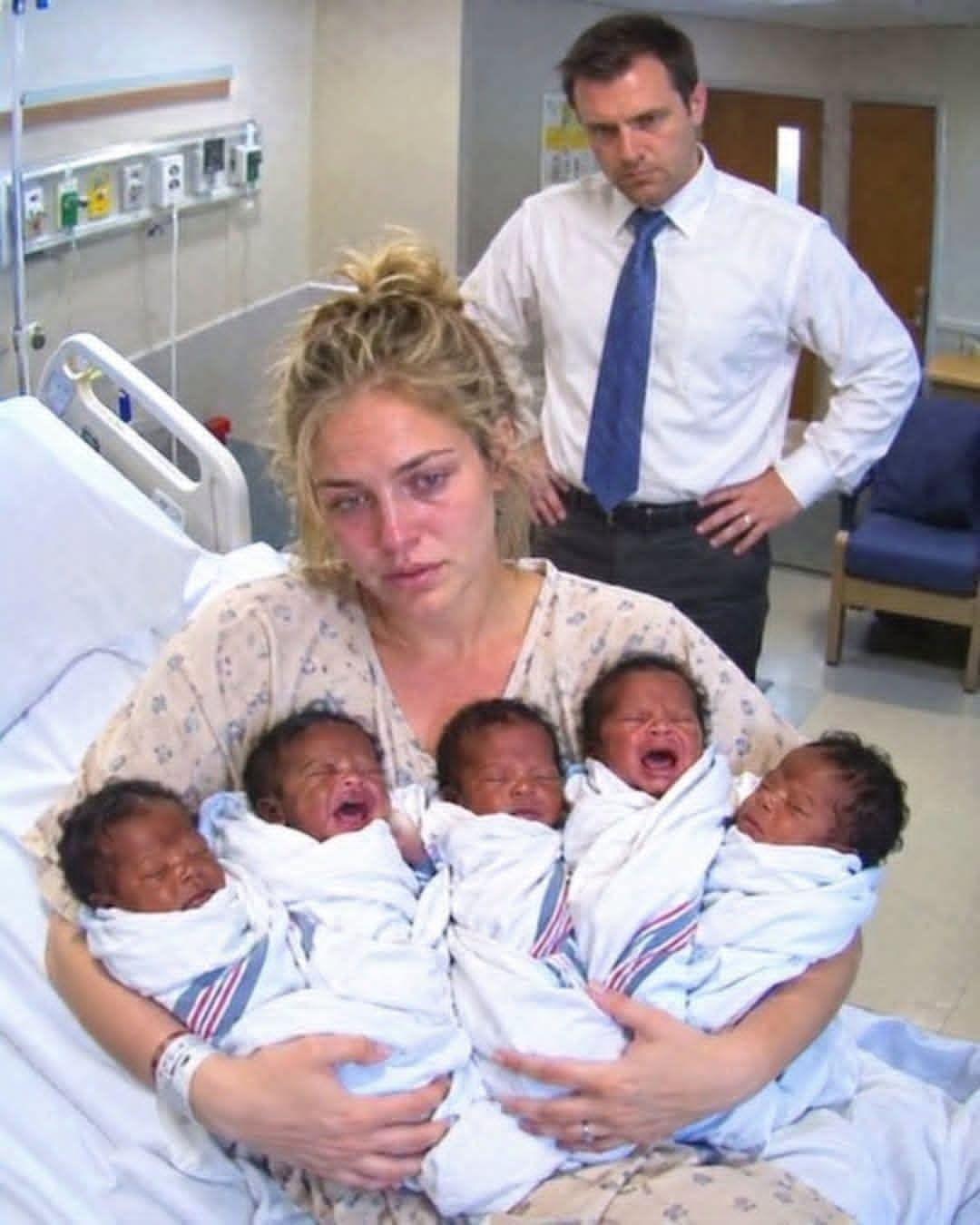
Premature babies can face additional challenges because their organs may not be fully developed. Some newborns need assistance with breathing, temperature regulation, or feeding.
These possibilities explain why healthcare professionals often recommend close supervision throughout a high-risk pregnancy. The aim is to identify potential problems early and prepare appropriate care for the mother and babies.
Preparing for an Unusually Complex Delivery
When a pregnancy involves several babies, preparing for delivery requires coordination among multiple medical specialists.
Obstetricians, anesthesiologists, neonatologists, nurses, and other healthcare professionals may all have important roles. The team must be prepared to respond to the mother’s needs while providing immediate assessments and treatment for each newborn.
A delivery involving ten infants, if confirmed, would present extraordinary logistical demands.
Medical staff would need sufficient equipment, adequate space, and enough trained personnel to assess multiple newborns in rapid succession. Depending on each infant’s condition, some babies might require immediate respiratory support or admission to a neonatal intensive care unit.
Communication would be especially important. Every newborn would need to be identified, assessed, and monitored individually, with care tailored to their specific medical needs.
The mother’s condition would also remain a priority throughout the procedure and during recovery.
What Happens When the Babies Arrive?
The first moments after birth are important for every newborn. Healthcare professionals assess breathing, heart rate, muscle tone, responsiveness, and other signs of a baby’s condition.
When several babies are born during the same delivery, these assessments must be coordinated carefully so that each infant receives appropriate attention.
Some newborns may be stable enough to remain with their mother when circumstances permit. Others may need additional monitoring or specialized treatment.
Premature or low-birth-weight infants can have difficulty maintaining their body temperature. They may also experience feeding difficulties or unstable blood sugar levels. In such cases, medical teams determine whether additional support is necessary.
The exact care required depends on the gestational age, birth weight, and individual condition of each child.
Why Verification Matters in Extraordinary Medical Stories
Unusual birth stories often attract considerable interest online. Their dramatic nature can encourage people to share headlines before the underlying details have been confirmed.
However, a widely shared story is not necessarily a verified one.
The reported number of babies, the circumstances of the delivery, and claims about their health should be supported by reliable documentation or statements from credible medical sources.
Photographs and social media posts may provide context, but they do not necessarily establish every detail of a medical event.
Careful reporting is especially important when a story includes an unusual medical explanation. Presenting an unconfirmed explanation as fact can create confusion about pregnancy, prenatal imaging, and the capabilities of modern healthcare.
The distinction between a reported event and a medically confirmed case helps readers understand what is known and what remains uncertain.
The Importance of Prenatal Care
Regardless of the accuracy of this particular account, the story highlights the importance of appropriate prenatal care.
Regular examinations allow healthcare professionals to monitor the mother’s health and follow the development of the baby or babies. These appointments can also help identify potential complications that may require additional testing, treatment, or specialist care.
For high-risk pregnancies, doctors may recommend more frequent appointments and additional monitoring.
Prenatal care also gives expectant parents an opportunity to discuss delivery planning, possible complications, and the type of care that may be needed after birth.
Although medical examinations cannot guarantee that every complication will be identified in advance, consistent supervision can help healthcare teams make informed decisions and prepare for changing circumstances.
Anyone with concerns about a pregnancy should discuss them with a qualified healthcare professional who can provide advice based on the individual’s medical history and examination results.
Caring for Multiple Newborns After Delivery
The challenges of a multiple pregnancy do not necessarily end when the babies are delivered.
Families welcoming several newborns may need to organize feeding schedules, sleeping arrangements, medical appointments, and daily care for each child.
If some babies require specialized treatment, the family may also face a longer hospital stay and additional follow-up appointments.
Feeding can become a particularly demanding task when several infants need attention at the same time. Some babies may feed directly or from a bottle, while others may need a feeding plan recommended by their healthcare team.
Sleep and temperature safety are also important considerations. Parents need clear guidance on safe sleeping arrangements, appropriate clothing, feeding, and recognizing signs of illness.
The practical demands can be considerable, making assistance from relatives, friends, community organizations, and healthcare professionals especially valuable.
The Role of Family and Community Support
Caring for one newborn can be exhausting, particularly during the first weeks after delivery. Caring for several newborns simultaneously can require an even greater level of organization and support.
Depending on a family’s circumstances, practical assistance may include help with meals, transportation, household responsibilities, childcare, and access to infant supplies.
Healthcare professionals can also provide guidance on feeding, sleep routines, postpartum recovery, and the developmental needs of newborns.
For parents facing an unusually demanding situation, emotional support matters as well. Adjusting to a major change in family life can bring happiness and gratitude alongside fatigue, uncertainty, and stress.
Having a reliable support network can help parents manage daily responsibilities while ensuring that their own well-being is not overlooked.
How Medical Teams Coordinate Care for Multiple Babies
The delivery of several newborns requires careful coordination because each infant is an individual patient.
Before a high-risk delivery, medical teams may review potential complications, assign responsibilities, prepare neonatal equipment, and plan for different possible outcomes.
After birth, each baby is assessed separately. Healthcare professionals determine whether routine observation is sufficient or whether additional intervention is required.
A Reminder of the Complexity of Pregnancy and Modern Medicine
Modern prenatal care has advanced considerably, giving healthcare professionals valuable tools for monitoring fetal development and identifying many potential complications.
Ultrasound examinations, maternal health assessments, and specialized neonatal services all contribute to the care of high-risk pregnancies.
Nevertheless, every pregnancy is different, and medical teams must be prepared to respond to changing conditions.
Stories about unusual births can encourage public interest in maternal health, neonatal medicine, and the work of healthcare professionals. They can also serve as a reminder to evaluate extraordinary claims carefully before accepting them as established facts.
In the case described here, the account reports the birth of ten babies and an unexpected final delivery. However, independent confirmation of the specific circumstances has not been provided in the supplied material.
Until reliable documentation becomes available, the reported details should be treated with appropriate caution.
Ultimately, the most important issues in any high-risk pregnancy are the health of the mother, the individual needs of every newborn, and access to appropriate medical care. Prenatal supervision, coordinated delivery planning, and continued support after birth can all make a meaningful difference to families facing complex medical circumstances.
