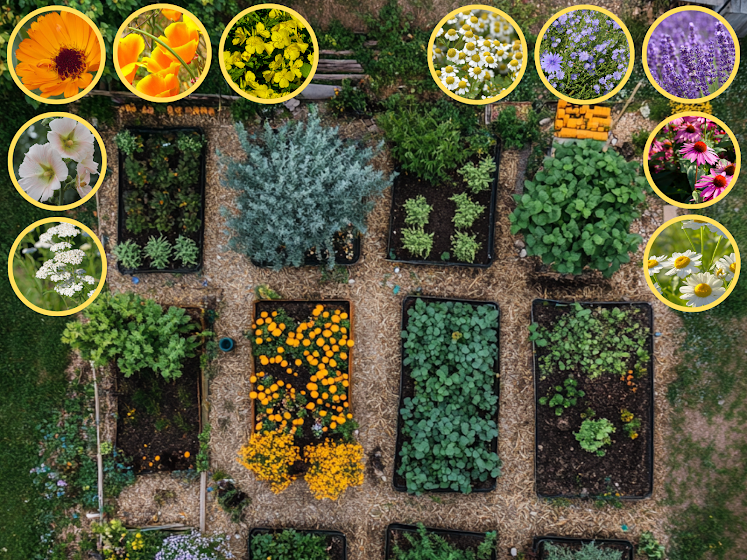
The Amish Medicinal Garden You Should Have in Your Backyard
For generations, Amish families have been known for growing productive home gardens filled with vegetables, herbs, flowers, and useful plants. Alongside crops for the kitchen, many households also cultivate traditional herbs that have long been valued for cooking, teas, fragrant gardens, and folk remedies passed down through the generations.
While these plants have a rich history in traditional herbal practices, it’s important to remember that herbs are not a substitute for professional medical care, and scientific evidence varies depending on the plant and its traditional use.
If you’re looking to create a beautiful and practical backyard herb garden, here are some of the classic plants often associated with traditional homestead gardens.
1. Chamomile
Chamomile produces cheerful daisy-like flowers that are commonly dried for herbal tea.
Traditionally, it has been enjoyed as a calming evening beverage and is also loved by pollinators, making it a wonderful addition to any garden.
2. Peppermint
Peppermint is one of the easiest herbs to grow.
Its refreshing leaves are popular in teas, desserts, and homemade drinks. Because it spreads quickly, many gardeners grow it in containers to keep it from taking over the garden.
3. Calendula
With its bright orange and yellow blossoms, calendula brings color to vegetable gardens while attracting bees and beneficial insects.
The edible petals can also be used to decorate salads and baked goods.
4. Lemon Balm
Lemon balm fills the garden with a fresh citrus scent.
Its leaves are commonly used in herbal teas and are appreciated for their pleasant fragrance. Like mint, it can spread vigorously if left unchecked.
5. Echinacea (Purple Coneflower)
Known for its striking purple flowers, echinacea is a favorite among pollinators.
Many people grow it both for its ornamental beauty and its long history in traditional herbal practices.
6. Yarrow
Yarrow is a hardy perennial with clusters of tiny flowers that attract butterflies and beneficial insects.
It thrives in sunny locations and requires very little maintenance once established.
7. Sage
Sage is both a flavorful culinary herb and an attractive garden plant.
Its soft gray-green leaves complement roasted vegetables, poultry, and stuffing while adding texture to herb beds.
8. Thyme
Thyme is a compact herb that performs well in raised beds, borders, and containers.
Besides being a kitchen favorite, its tiny flowers provide nectar for bees during the growing season.
9. Lavender
Lavender is treasured for its fragrant purple blooms.
It attracts pollinators, makes beautiful dried bouquets, and is often placed in sachets to scent drawers and closets.
10. Plantain (Plantago species)
Often considered a common lawn weed, plantain has a long history in traditional folk herbalism.
Many homesteaders choose to preserve a small patch because of its historical uses and its ability to thrive almost anywhere.
Tips for Creating Your Own Backyard Herb Garden
A productive herb garden doesn’t have to be large.
For the best results:
- Choose a sunny location with well-draining soil.
- Group herbs with similar watering needs.
- Harvest regularly to encourage new growth.
- Leave some flowers for bees, butterflies, and other pollinators.
- Label each herb, especially if you’re growing several varieties.
A Garden That Blends Beauty and Practicality
One of the reasons traditional homestead herb gardens continue to inspire gardeners today is their versatility. The same garden can provide culinary herbs, colorful flowers, pleasant fragrances, and habitat for beneficial insects—all while adding beauty to your backyard.
Whether you’re interested in preserving old gardening traditions or simply want a useful collection of easy-to-grow herbs, planting a backyard herb garden is a rewarding project that can be enjoyed throughout the growing season. Just remember that while many of these herbs have a long history of traditional use, they should not be relied upon to diagnose, treat, or cure medical conditions without guidance from a qualified healthcare professional.
