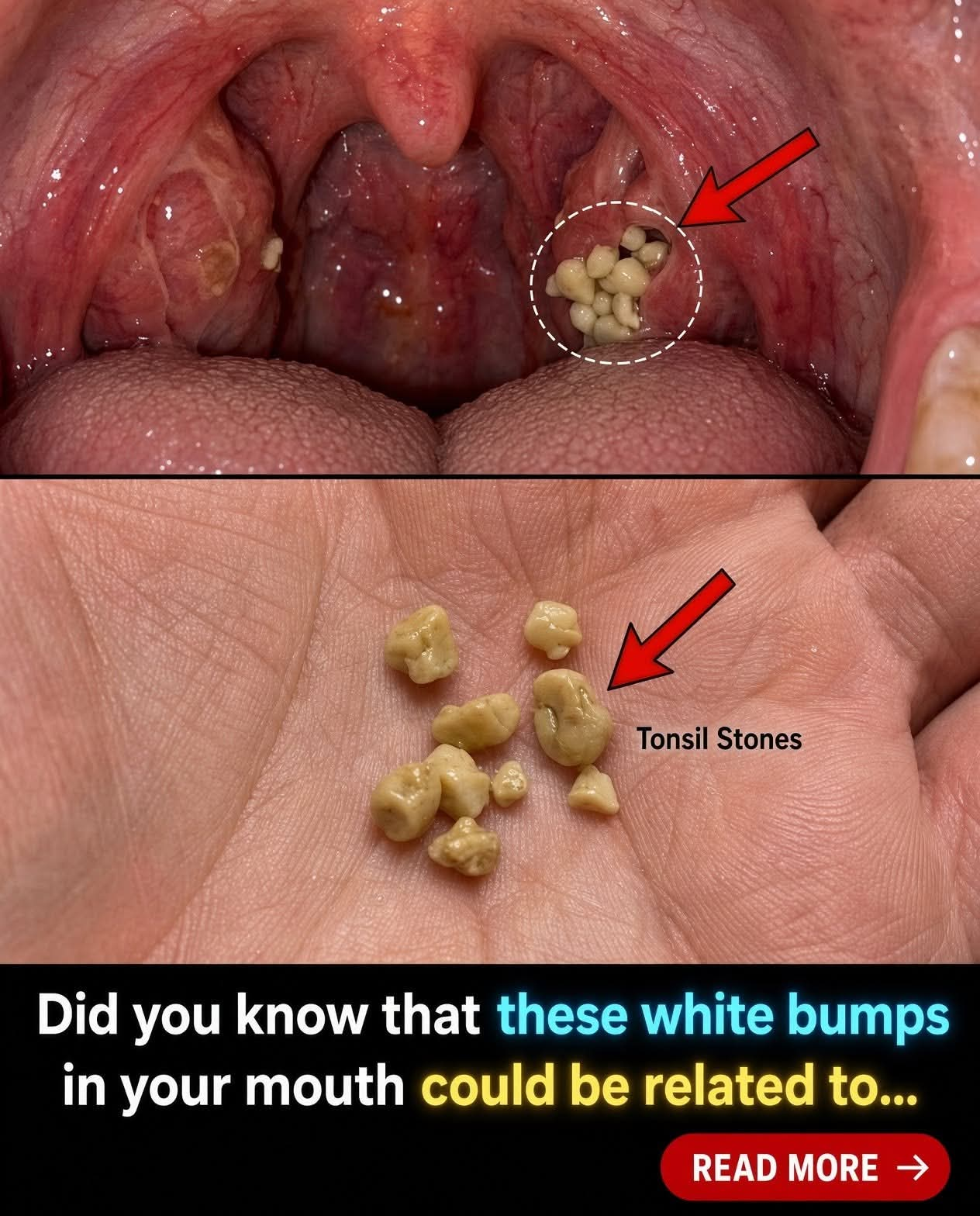
Unlike smooth mucosal surfaces found along the inner cheeks, human tonsils are riddled with deep, labyrinthine tunnels, fissures, and pocket-like depressions known as tonsillar crypts. In an evolutionary sense, these crypts are brilliant designs: they vastly increase the surface area of lymphatic tissue, creating more opportunities for white blood cells to capture invading microbes.
However, this textured surface comes with an inescapable mechanical drawback. The throat functions as a dynamic crossroads where saliva, beverages, meals, epithelial skin cells, and microscopic airborne debris constantly circulate. For individuals endowed with naturally deep, convoluted crypts, these microscopic folds act like tiny biological nets, steadily trapping whatever passes by.
Study Biology
The Recipe for Calcification: From Sludge to Stone
Tonsil stones do not form overnight; they are the end product of a slow, multi-stage calcification process. The journey begins with everyday oral shedding:
- Cellular Debris: Every day, thousands of microscopic epithelial cells naturally slough off the lining of the tongue, gums, and throat.
- Mucus Runoff: Post-nasal drip from allergic rhinitis, seasonal weather shifts, or sinus irritation drips down the back of the throat, coating the tonsils in thick, sticky secretions.
- Food Micro-Particles: Chewing bread, nuts, dairy products, or fibrous foods leaves behind tiny food remnants that easily settle into moist, unwashed recesses.
- Anaerobic Bacteria: The deep bottom of a tonsillar crypt is an environment largely devoid of oxygen, providing an ideal sanctuary for anaerobic bacteria to colonize and flourish.
Over time, this trapped mixture of dead cells, salivary proteins, and food particles forms a dense biological biofilm. As saliva washes over the crypts, it carries essential minerals like calcium, phosphorus, magnesium, and carbonate salts designed to protect tooth enamel. When these minerals make sustained contact with the trapped organic paste, they gradually mineralize the sludge, slowly transforming a soft clump of debris into a hard, calcified white stone.
Try New Foods
The Distinct Fingerprints of Tonsilloliths
Many people go weeks or months unaware
that stones are gathering inside their throat until one dislodges during a vigorous cough or sneeze. When examined in the palm of your hand, a tonsil stone reveals fascinating characteristics:
Study Biology
- Color Variations: They range from bright ivory to creamy off-white, light gray, or dingy yellow.
- Firm Yet Crumbly Texture: Some stones are rubbery and pliable like soft cheese, while older, heavily mineralized stones feel hard like chalky pebbles.
- The Foreign Body Sensation: Patients frequently describe an annoying, phantom sensation of having a popcorn hull or hair permanently stuck in the back of their throat that no amount of swallowing can clear.
- Referred Ear Pain (Otalgia): Because the glossopharyngeal nerve shares neural pathways that innervate both the back of the tonsillar bed and the inner ear canal, an expanding stone pressing against local nerve endings can send phantom aching sensations straight into the ear.
While discovering strange white pebbles in your throat is visually startling, it is only the beginning of the story. The physical presence of the stone is mere theater compared to the invisible, devastating byproduct brewing within its core—a biochemical reaction that turns ordinary social greetings into agonizing personal dread…
Study Biology
