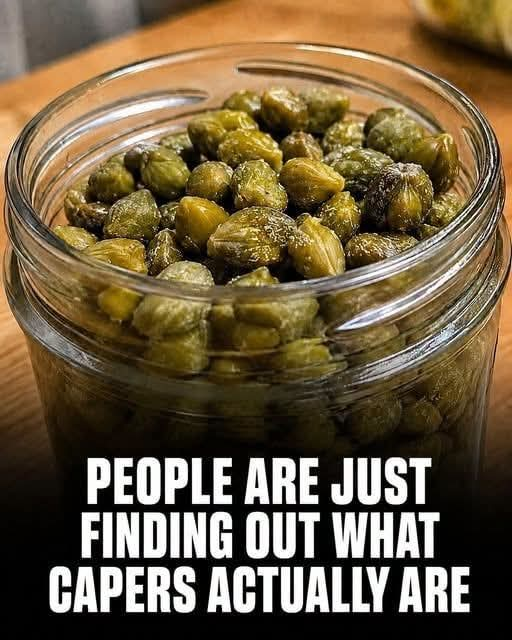
Have you ever spotted tiny, olive-green buds in a jar at the grocery store and wondered what they were? Perhaps you have seen them scattered over a restaurant pasta dish, tucked into a lemony fish sauce, or sprinkled over a Mediterranean salad.
Those little green gems are called capers, and they are one of the easiest ways to make everyday meals taste brighter, fresher, and more exciting.
Capers may look small and unremarkable, but their flavor is surprisingly powerful. They are tangy, salty, slightly lemony, and sometimes pleasantly briny. A small spoonful can transform a simple plate of pasta, a piece of grilled fish, a homemade salad dressing, or even a humble sandwich.
If you have never cooked with capers before, there is no need to feel intimidated. You do not need expensive ingredients, complicated techniques, or professional cooking skills to enjoy them.
In this beginner-friendly guide, you will discover what capers actually are, where they come from, how they taste, how to prepare them, and how to use them in delicious everyday recipes.
By the end, you may find yourself reaching for a jar of capers whenever a dish needs that little something extra.
1. What Exactly Are Capers?

Capers are the small, unopened flower buds of a plant known as the caper bush, scientifically called Capparis spinosa. This hardy plant grows in warm, sunny regions and is particularly associated with Mediterranean cooking.
The caper bush can grow in dry, rocky environments where many other plants struggle. It produces delicate flowers with white or pinkish petals and long, beautiful purple-tipped stamens.
But here is the interesting part: the capers we usually buy in jars are flower buds harvested before they open.
The buds are picked while still closed, then cured in brine, vinegar, or salt. This process develops their distinctive tangy flavor and helps preserve them.
Although capers are often treated like vegetables in the kitchen, they are actually unopened flower buds.
Are capers the same as olives?
No. They may look similar in color and are often served alongside olives, but they come from entirely different plants.
Olives are fruits that grow on olive trees. Capers are unopened flower buds from the caper bush.
They also have different textures and flavors. Olives are usually fleshy and rich, while capers are smaller, firmer, and more intensely tangy.
What about caper berries?

Caper berries are related to capers, but they are not the same thing.
When the caper bush’s flowers have been pollinated, they can develop into small fruits. These fruits are harvested and preserved as caper berries.
They are generally much larger than ordinary capers and often have a little stem attached. Their flavor is tangy and salty, but they tend to be milder and juicier.
You can serve caper berries as part of an appetizer platter, alongside cheese, olives, roasted vegetables, or grilled meats.
2. What Do Capers Taste Like?

If you are trying capers for the first time, expect a bold flavor in a very small package.
Most preserved capers have several noticeable characteristics:
- Tangy: Their acidity gives food a bright, refreshing taste.
- Salty: Salt-curing and brining contribute a noticeable salty flavor.
- Briny: They have a savory taste reminiscent of pickled foods.
- Slightly lemony: Their sharpness pairs especially well with citrus.
- Herbaceous: Some varieties have a subtle green, plant-like flavor.
See Continuation On Next Page 👇
