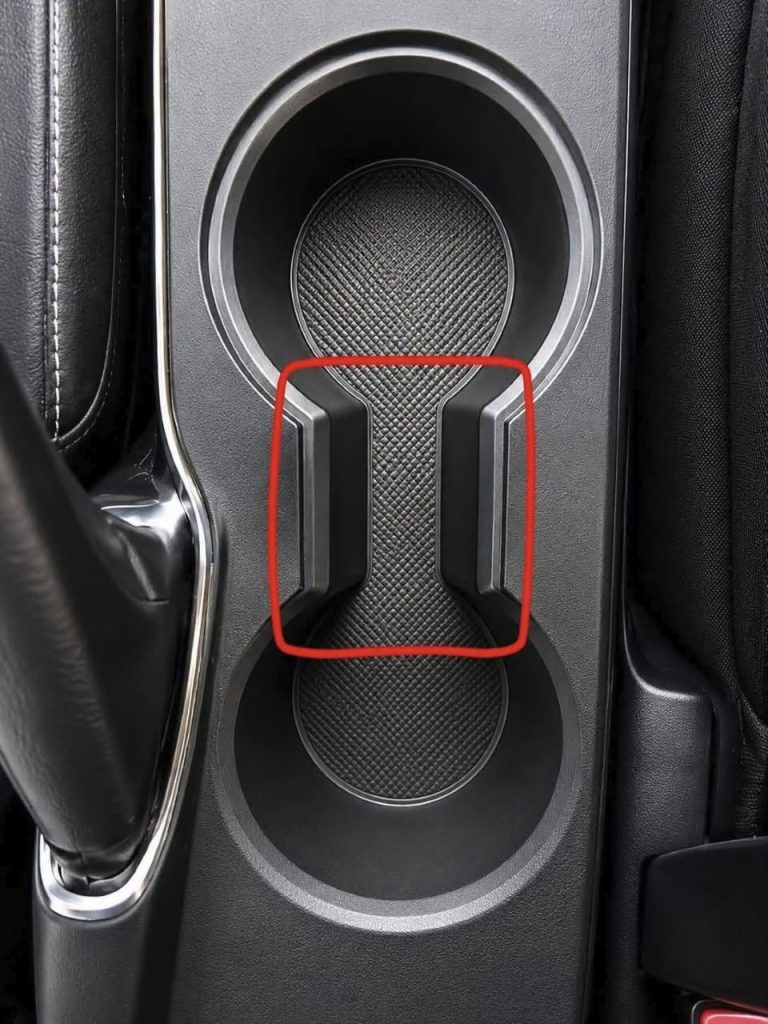
and Weight Distribution
Your center console takes a beating. We lean our arms on it, drop heavy purses into it, and sometimes even use it to brace ourselves when getting in and out of the vehicle. If the console were just one massive, hollowed-out plastic basin, it would flex, creak, and eventually crack under the pressure.
The “bridge” between the cups acts as a structural reinforcement rib. By molding two distinct cylindrical cavities with a solid pillar of plastic in the middle, automotive engineers significantly increase the rigidity of the console. It ensures the interior feels solid and premium, rather than flimsy and cheap.
see continuation on next page
2. Condensation and Spill Management
Think about what happens when you place an iced coffee or a cold bottle of water in your car on a hot summer day. Condensation rapidly forms, dripping down the sides of the container.
If the
drink area were one continuous, flat-bottomed trench, all that sweat would pool together, creating a massive, sticky puddle that could easily slosh over the edge and into your lap. The raised gap creates a physical barrier. It isolates the condensation (and any accidental spills) to individual zones, making it much easier to wipe up and preventing a single dropped drink from flooding the entire console.
3. Accommodating Modern Drinkware
Automotive design has to keep up with consumer habits. Decades ago, we mostly used standard-sized paper coffee cups and slim soda cans. Today, people carry massive, wide-bottomed insulated tumblers alongside slender glass water bottles.
The gap ensures that if you place two large, wide beverages side-by-side, they do not constantly clink together while you drive. This prevents annoying rattling noises, protects your reusable bottles from getting scratched, and ensures that oversized cups can actually fit into the slots without getting wedged.
Practical Tips for a Cleaner, More Organized Console
Now that you know the engineering brilliance behind the cup holder gap, here are a few simple ways to keep your car’s interior looking pristine and functioning beautifully.
Invest in Silicone Liners: The textured plastic at the bottom of drink cavities is notoriously difficult to clean. Drop-in silicone mats catch all the sticky drips and condensation, and you can easily pop them out to wash them in your kitchen sink.
Keep a Microfiber Cloth Handy: Keep a small, dry cloth in your door pocket or glovebox. A quick wipe-down of the center console bridge when you stop for gas prevents dust and sticky residue from building up over time.
Avoid Overstuffing: While the structural rib is strong, avoid using the cup holders to hold extremely heavy, awkward objects (like heavy tools or large metal thermoses) while driving over rough terrain, as excessive
modern vehicles, the cup holder insert is a separate piece that can be popped out, revealing a deeper, open storage bin beneath. However, doing this removes the spill barriers and structural ribs, making the area much harder to clean if a liquid leaks into the console’s electronic components. It is usually best to leave them in place.
Q: Why does the plastic on my center console feel sticky even after I clean it?
A: This is often caused by a combination of sugary drink residue, hand lotions, and the breakdown of the soft-touch rubberized coatings that many automakers use on interior plastics. If a gentle all-purpose cleaner does not work, a mixture of warm water and a tiny drop of dish soap applied with a soft microfiber cloth usually cuts through the grime without damaging the finish.
