You don’t need to completely avoid your garden or stay indoors all summer.
A few practical measures can reduce opportunities for insects to enter your home.
Keep Outdoor Areas Tidy
Remove piles of leaves, dead vegetation, wood, cardboard, and other debris around the house.
These materials can provide shelter for numerous insects and small animals.
Seal Cracks and Gaps
Inspect areas around doors, windows, utility lines, and other openings.
Weather stripping and appropriate caulking can help reduce the number of insects entering your home.
Check Screens
Make sure window and door screens are intact and fit properly.
A tiny tear can be enough for insects to enter.
Reduce Unnecessary Outdoor Lighting
Some nocturnal insects are attracted to lights.
Keeping outdoor lighting away from doors and windows, or using appropriately placed lighting, can sometimes reduce the number of insects gathering around entrances.
Be Careful Around Woodpiles
Firewood and piles of outdoor materials can provide shelter for insects.
Keep them organized and, when possible, away from the immediate walls of the house.
What About Pets?

Dogs and other animals can also potentially be exposed to triatomine bugs and Trypanosoma cruzi in regions where the parasite occurs.
If you regularly find unusual insects around areas where your pets sleep or spend time, talk with your veterinarian about practical ways to reduce exposure.
Don’t apply household insecticides directly to pets unless the product is specifically labeled for that animal and used according to veterinary guidance.
Don’t Panic Over Every Unusual Bug
The dramatic name “assassin bug” can make these insects sound much more frightening than they actually are.
The reality is much more nuanced.
Many assassin bugs are predators that have nothing to do with Chagas disease. Some are even beneficial because they help control other insects.
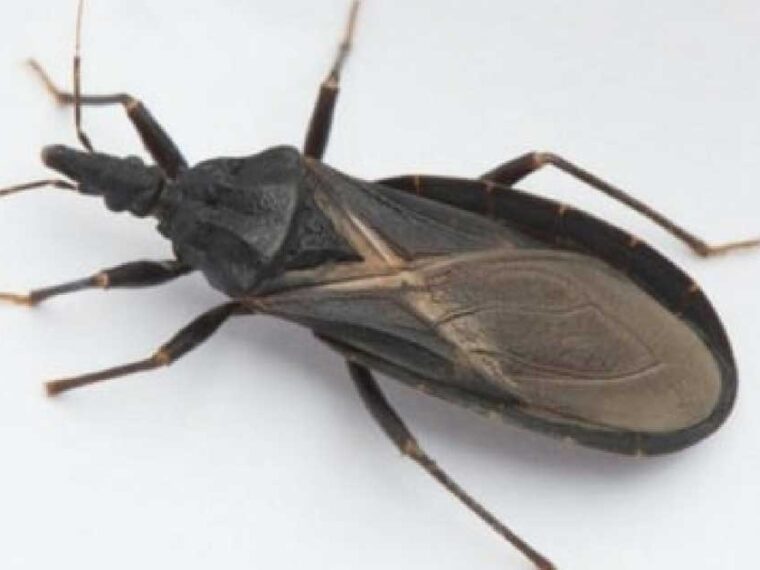
The concern primarily involves triatomine or kissing bugs, certain species of which can transmit Trypanosoma cruzi.
Understanding that distinction can help you take sensible precautions without becoming unnecessarily afraid of every insect you encounter.
When Should You Talk to a Doctor?
If you suspect you’ve been bitten by a kissing bug and are concerned about Chagas disease, particularly after travel or residence in an area where the infection occurs, speak with a healthcare professional.
Medical evaluation may be especially important if you develop unexplained fever, significant swelling, persistent fatigue, or other unusual symptoms following a suspected exposure.
Don’t attempt to diagnose yourself based solely on photographs or internet descriptions.
A healthcare professional can determine whether testing or further evaluation is appropriate.
The Bottom Line
Assassin bugs are certainly fascinating insects, and some members of the group deserve respect because they can deliver a painful defensive bite. But the term covers a huge variety of species, most of which are not responsible for transmitting Chagas disease.
The insects commonly called kissing bugs are the ones that deserve particular attention because certain species can transmit Trypanosoma cruzi.
The best strategy isn’t to panic or avoid the outdoors. Instead, learn what these insects look like, keep potential hiding places around your home under control, seal obvious entry points, and avoid handling unfamiliar insects with your bare hands.
Summer is meant to be enjoyed.
A little awareness can help you spend more time enjoying your garden, patio, or next outdoor adventure—and considerably less time worrying about what’s crawling around nearby.
