This is for informational purposes only. For medical advice or diagnosis, consult a professional.

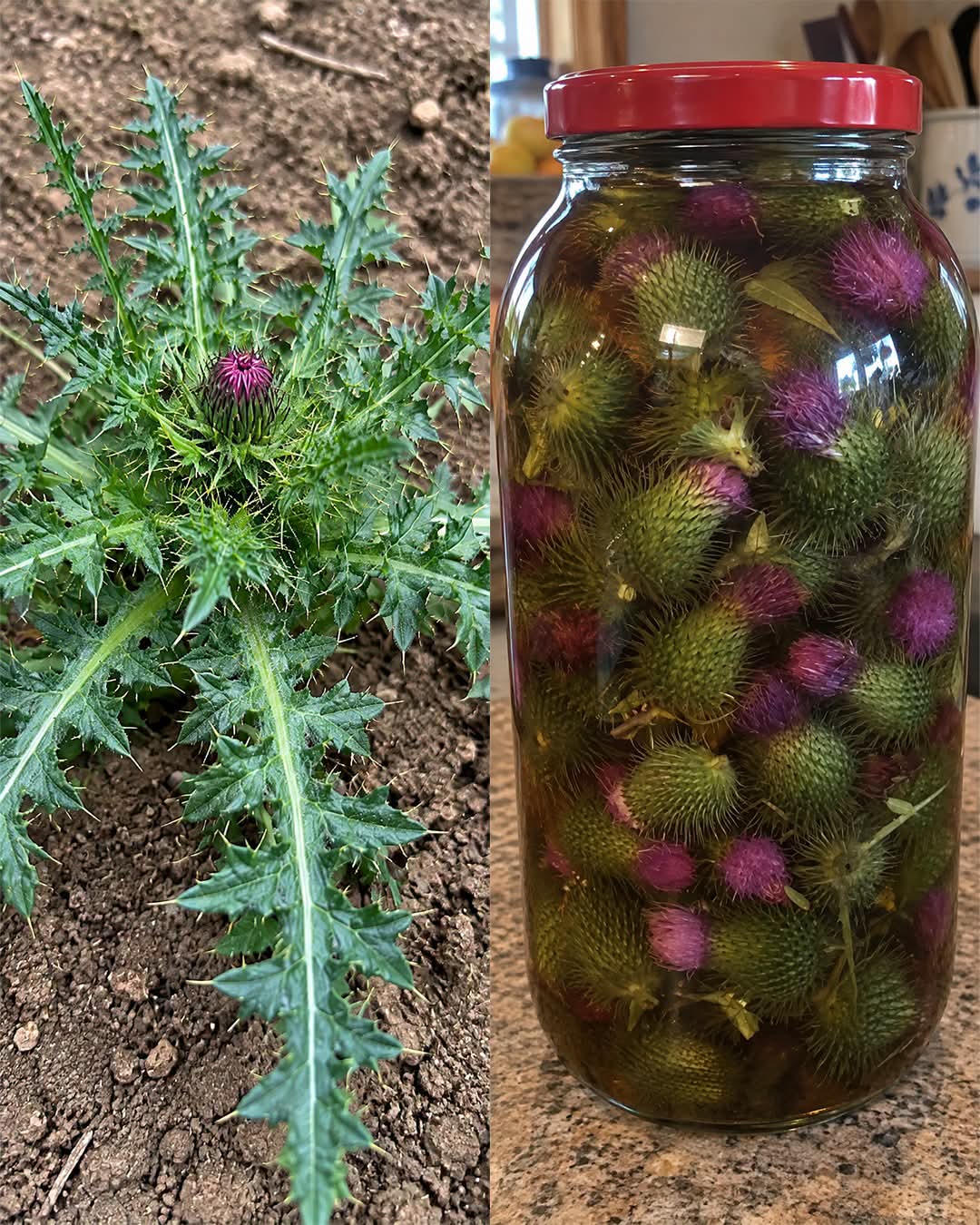
Bull thistle (Cirsium vulgare) is widely recognized as a heavily armored, prickly plant that grows in fields and pastures. However, if you look closely at the top of the plant during late summer, you will find bright purple flower heads that hold surprising practical value. While the sharp spines keep many people away, those who know how to harvest and use these flowers can unlock their hidden benefits. This article focuses entirely on the flower head of the bull thistle, exploring its natural properties and how you can process it at home for personal use.
Understanding the Anatomy of the Flower Head
Before you can use the flower head, it is important to know what makes it unique. The flower head is not just one simple petal structure; it is made up of distinct parts, each with its own use.
- The Florets: These are the bright purple or pink strings at the very top of the flower. They are soft to the touch, hold the plant’s pollen, and are the main attraction for local bees.
- The Involucre: This is the bulbous, green base located directly under the purple florets. It is heavily armored and covered in sharp, needle-like spines that protect the flower.
- The Receptacle: This is the hidden inside portion of the green base. It is fleshy, dense, and structurally identical to a standard globe artichoke you would find at a grocery store, just on a much smaller scale.
The Natural Power of the Flower Head
The real power of the bull thistle flower head lies in its mild astringent properties and its dense, nutrient-rich base. It has been utilized in traditional folk practices for generations.
- Astringent Qualities: The flower parts contain natural compounds that help tighten and tone tissues. This makes extracts from the flower highly useful for topical skin preparations.
- Nutritional Value: The meaty base of the flower is a surprisingly good source of dietary fiber and inulin. Inulin is a type of natural starch that acts as a prebiotic, which helps support healthy gut bacteria.
- Antioxidant Properties: Like many brightly colored purple flowers, the soft florets contain natural antioxidants. These compounds help protect the body’s cells from everyday wear and tear.
Homemade Uses and Preparations
You do not need a laboratory to extract the benefits of bull thistle flowers. They can be prepared right in your kitchen using basic household supplies like water, oil, or alcohol.
- Herbal Tea Infusions: You can pluck the soft purple florets, leaving the spiky green base behind, and lay them out to dry in a warm, dark place. Once completely dry, steep the florets in hot water for ten minutes to make a mild, earthy tea that traditionally supports digestion.
- Soothing Oil Infusions: You can submerge whole, fresh flower heads in a glass jar filled with a carrier oil, such as olive oil or sweet almond oil. Let the sealed jar sit in a sunny windowsill for four to six weeks, shaking it gently every few days. Strain out the spiky plant matter, and you are left with an infused oil that can be rubbed directly onto dry or mildly irritated skin.
- Alcohol Tinctures: By soaking the whole flower heads in high-proof clear alcohol, such as vodka, for a month, you extract the strongest plant compounds. This creates a highly concentrated dark liquid. Traditional herbalists strain the liquid and use it in very small, drop-sized amounts for internal support.
- Culinary Food: The green, bulbous base of the flower can be treated exactly like a miniature artichoke. If you carefully use a knife to trim away the outer green spines and scoop out the purple fuzz on top, the fleshy bottom piece remains. This base can be boiled or steamed until soft and eaten simply with butter or salt.
Harvesting the Flower Heads Safely
Getting the flower heads off the plant is the most challenging step because the plant defends itself extremely well. Proper preparation is required.
- Wear thick gloves: Heavy leather work gloves or thick rubber-coated gardening gloves are absolutely necessary to protect your hands from the sharp needles on the green base.
- Use sharp tools: Use heavy-duty pruning shears or strong scissors. Cut the flower head right at the base of the bulb, leaving the rest of the spiky stalk behind in the field.
- Harvest at the right time: Pick the flowers when the purple top is brightly colored, vibrant, and freshly opened. Avoid harvesting flowers that have started to turn brown or are beginning to produce white, fluffy seeds, as they have passed their peak usefulness.
The bull thistle flower head proves that a common, overlooked plant can be highly useful. By understanding its distinct parts, its natural properties, and the simple ways to process it at home, you can turn a wild plant into a valuable resource for food and herbal homemade goods.
