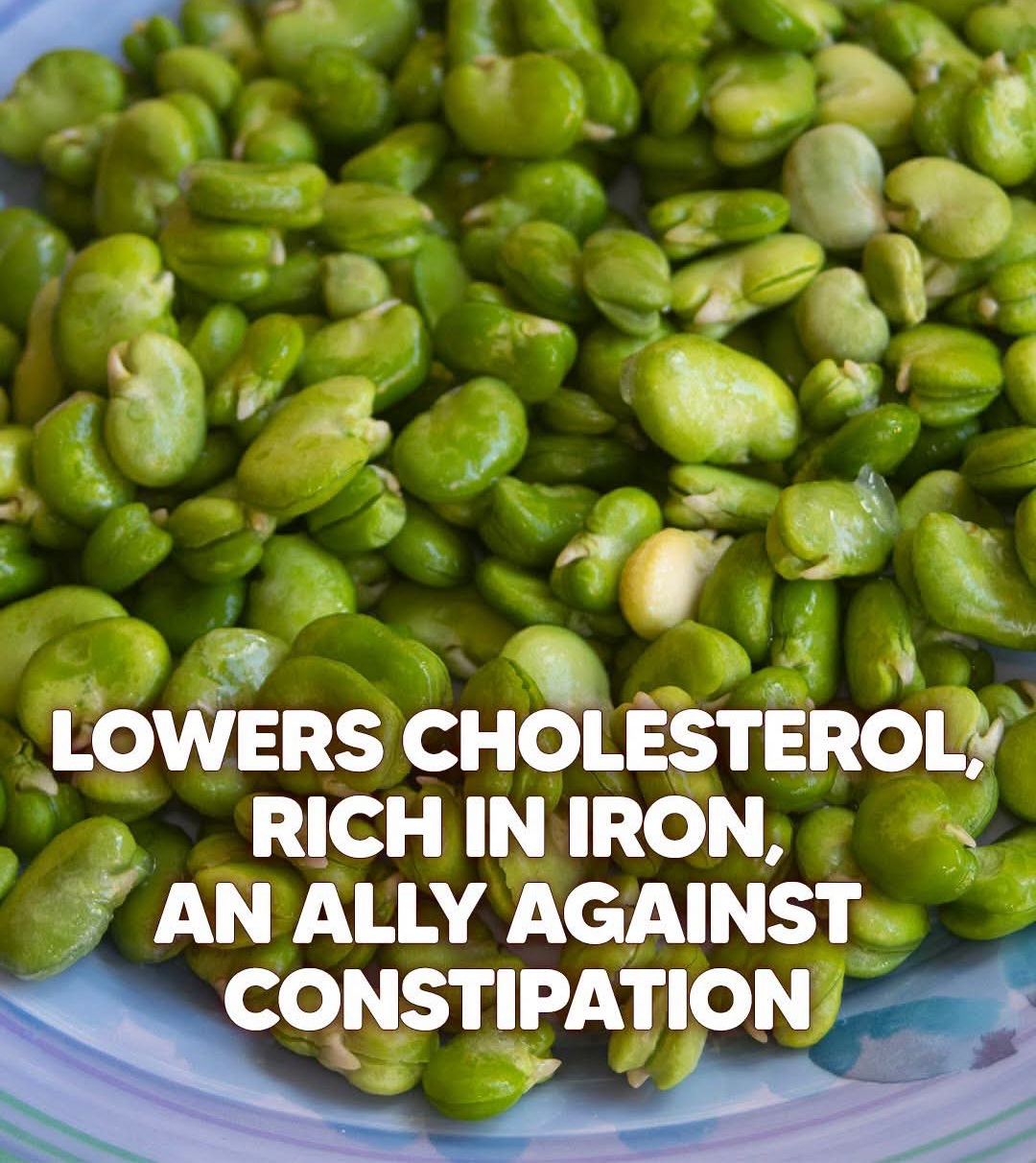
Fava Beans: Properties, Benefits, and Contraindications
Fava beans, also known as broad beans, have been enjoyed for thousands of years and remain a staple in many cuisines around the world. They are valued for their rich nutritional profile, versatility in cooking, and potential health benefits. Whether eaten fresh, dried, or frozen, fava beans can be a delicious addition to a balanced diet.
However, while they offer many advantages, they are not suitable for everyone. Certain individuals should avoid fava beans due to a rare genetic condition or other health considerations.
What Are Fava Beans?
Fava beans (Vicia faba) are one of the oldest cultivated legumes. They have large, flat green seeds enclosed in thick pods and are commonly used in soups, stews, salads, spreads, and side dishes.
Young fava beans have a tender texture and slightly sweet flavor, while mature beans become firmer and develop a richer, nuttier taste.
Nutritional Properties
Fava beans are packed with essential nutrients, including:
- Plant-based protein
- Dietary fiber
- Folate (Vitamin B9)
- Iron
- Magnesium
- Potassium
- Copper
- Manganese
- Phosphorus
- Vitamin B6
They are naturally low in fat and contain complex carbohydrates that provide long-lasting energy.
Potential Health Benefits
1. Excellent Source of Plant Protein
Fava beans provide a generous amount of protein, making them an excellent choice for vegetarians, vegans, and anyone looking to reduce meat consumption.
Protein supports muscle maintenance, tissue repair, and many important functions throughout the body.
2. Rich in Dietary Fiber
The high fiber content may help:
- Support healthy digestion
- Promote regular bowel movements
- Increase feelings of fullness
- Support healthy cholesterol levels
- Help maintain stable blood sugar levels as part of a balanced diet
3. Supports Heart Health
Fava beans contain fiber, potassium, and magnesium—nutrients that contribute to overall cardiovascular health.
A diet rich in legumes has been associated with a lower risk of heart disease when combined with other healthy lifestyle habits.
4. High in Folate
Folate is essential for:
- DNA production
- Cell growth
- Red blood cell formation
- Healthy fetal development during pregnancy
Adequate folate intake is especially important before and during early pregnancy.
5. Source of Iron
Fava beans contain non-heme iron, which helps support healthy red blood cell production.
For better iron absorption, pair them with foods rich in vitamin C, such as tomatoes, bell peppers, citrus fruits, or strawberries.
6. Provides Long-Lasting Energy
Because they contain complex carbohydrates and fiber, fava beans digest slowly, helping provide steady energy throughout the day.
7. May Support Weight Management
Their combination of protein and fiber helps increase satiety, which may reduce hunger between meals.
Including legumes in a balanced eating pattern may support healthy weight management.
Culinary Uses
Fava beans are extremely versatile and can be enjoyed in many ways:
- Soups
- Stews
- Salads
- Pasta dishes
- Rice recipes
- Vegetable side dishes
- Purees and dips
- Mediterranean recipes
- Spring vegetable dishes
Young beans can often be eaten after removing the outer pod, while mature beans are commonly peeled after cooking for a smoother texture.
Contraindications and Precautions
Although fava beans are nutritious, they are not appropriate for everyone.
1. G6PD Deficiency (Favism)
People with glucose-6-phosphate dehydrogenase (G6PD) deficiency, a genetic condition, should avoid eating fava beans.
In susceptible individuals, consuming fava beans can trigger favism, a potentially serious breakdown of red blood cells (hemolytic anemia). Symptoms may include fatigue, pale skin, dark urine, jaundice, shortness of breath, and rapid heartbeat. Anyone with known G6PD deficiency should avoid fava beans and follow medical advice.
2. Digestive Discomfort
Like many legumes, fava beans may cause:
- Gas
- Bloating
- Digestive discomfort
Soaking dried beans before cooking and increasing fiber intake gradually may help reduce these effects for some people.
3. Allergic Reactions
Although uncommon, some individuals may be allergic to fava beans. Anyone experiencing symptoms such as hives, swelling, difficulty breathing, or other signs of an allergic reaction should seek immediate medical attention.
4. Medication Considerations
People taking medications or managing chronic health conditions should consult their healthcare provider before making significant dietary changes, especially if they have concerns about potassium intake or other nutritional restrictions.
Tips for Buying and Storing
- Choose bright green pods that are firm and free of blemishes.
- Refrigerate fresh fava beans and use them within several days.
- Dried fava beans should be stored in an airtight container in a cool, dry place.
- Frozen fava beans are a convenient option and retain much of their nutritional value.
The Bottom Line
Fava beans are a nutrient-dense legume that provide plant protein, fiber, folate, iron, and many important vitamins and minerals. They can support a healthy, balanced diet and add flavor and nutrition to a wide variety of meals.
However, they are not safe for people with G6PD deficiency (favism) and may cause digestive discomfort in some individuals. If you have a medical condition or specific dietary concerns, consult your healthcare provider before adding them to your regular diet.
When enjoyed as part of a varied and balanced eating pattern, fava beans are a wholesome, satisfying food that has earned its place in kitchens around the world.
