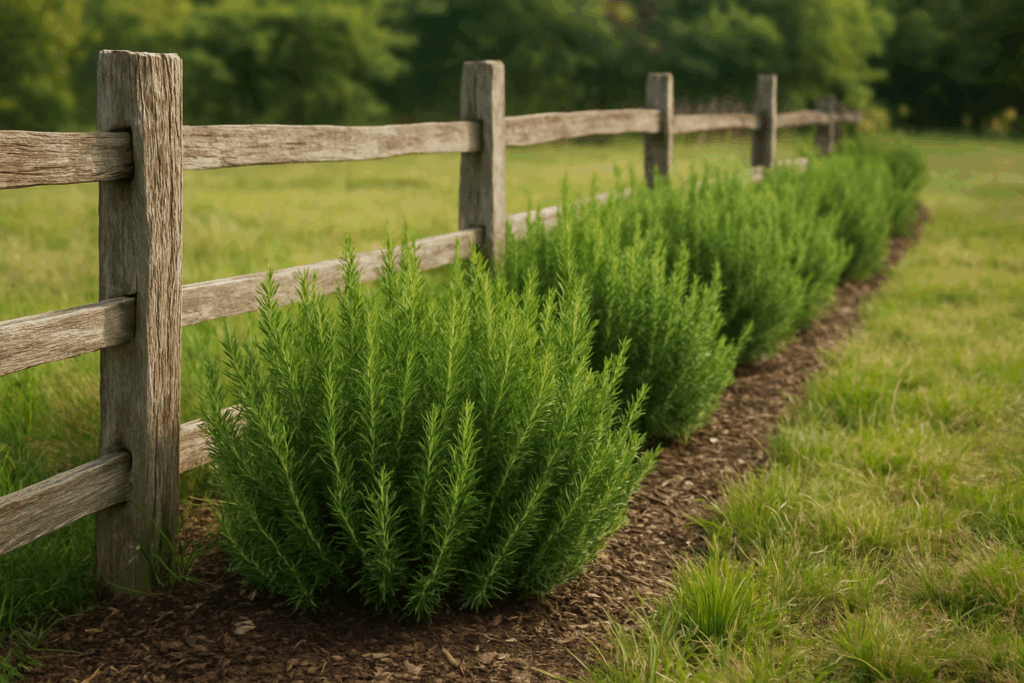
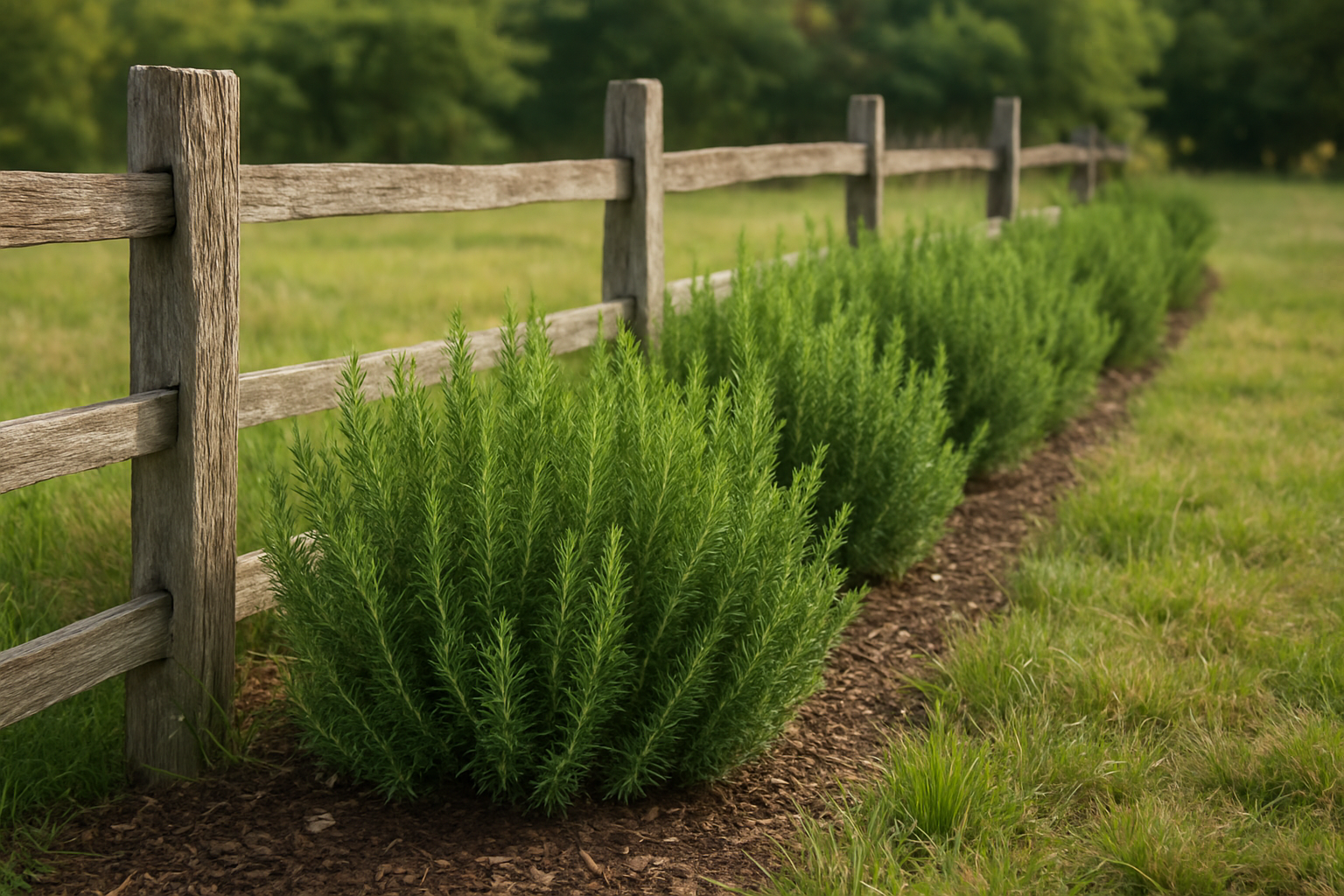
Rosemary is one of the most beloved herbs in the world – prized for its fragrance, healing properties, and rich history stretching back thousands of years.
Most people grow rosemary in pots, kitchen gardens, or herb beds, but there’s an old tradition that recommends planting rosemary along the fence line of a home.
At first it may sound symbolic, even mystical – but this practice has both cultural meaning and practical benefits.
From ancient Mediterranean villages to early European homesteads, families planted rosemary around boundaries, gates, and fences for protection, purification, and good fortune.
Today, gardeners are rediscovering this old custom not just for its folklore, but for the remarkable gardening benefits rosemary provides when planted along fences or property edges.
Here’s the real reason behind this timeless practice – and why planting rosemary around your fence line is more powerful than you might think.
Rosemary’s Deep History: A Plant of Protection and Memory
Long before modern gardening trends existed, rosemary was considered a sacred plant. Its rich scent and evergreen nature symbolized strength, loyalty, and remembrance.
Ancient cultures believed rosemary protected the home from both physical and spiritual harm.
🌿 Rosemary’s Deep History: A Plant of Protection and Memory
For centuries, rosemary has been much more than a fragrant kitchen herb.
Its needle-like leaves have flavored countless meals, but across many cultures and generations, rosemary has also carried rich symbolism. It has been associated with remembrance, loyalty, celebration, and protection in folklore and tradition.
Whether growing in a garden, tucked into a bouquet, or simmering in a favorite recipe, rosemary has long held a special place in homes around the world.
Let’s take a closer look at the fascinating history of this remarkable plant.
A Mediterranean Native
Rosemary (Salvia rosmarinus, formerly Rosmarinus officinalis) is native to the Mediterranean region, where it thrives in sunny, rocky landscapes with well-drained soil.
For thousands of years, people living along the Mediterranean coast valued rosemary for its fragrance, resilience, and culinary uses.
Over time, the herb spread throughout Europe and eventually around the world, becoming a staple in gardens both large and small.
The Herb of Remembrance
Perhaps rosemary’s best-known symbolic meaning is remembrance.
For centuries, sprigs of rosemary were carried or worn during important occasions to represent memory and lasting affection.
This symbolism became especially well known through literature. In William Shakespeare’s Hamlet, the character Ophelia famously says:
“There’s rosemary, that’s for remembrance.”
The phrase helped cement rosemary’s reputation as a symbol of memory that continues today.
Even now, rosemary is sometimes included in memorial gardens or remembrance ceremonies because of its long-standing cultural associations.
A Symbol of Love and Fidelity
In many parts of Europe, rosemary was traditionally associated with love, loyalty, and lasting commitment.
Brides sometimes wore rosemary woven into wreaths or bouquets, while guests carried sprigs during weddings as a symbol of faithfulness and good wishes for the couple.
Some traditions even encouraged newly married couples to plant rosemary together as a symbol of a strong and enduring marriage.
Folklore and Protection
Throughout history, many cultures believed rosemary could help protect homes from negative influences or misfortune.
Although these beliefs are rooted in folklore rather than scientific evidence, rosemary often appeared in traditional customs.
People sometimes:
- Hung rosemary above doorways.
- Planted it near entrances.
- Burned dried sprigs for their pleasant aroma.
- Included it in seasonal celebrations and household rituals.
These practices reflected cultural traditions passed down through generations rather than proven protective effects.
Rosemary in Ancient Times
Ancient civilizations valued rosemary highly.
The Greeks and Romans appreciated it for its fragrance and practical uses, and it became a familiar herb in gardens, kitchens, and ceremonies.
Historical accounts suggest students sometimes wore rosemary garlands while studying, reflecting the herb’s association with memory and learning.
While these traditions are well documented, they should be understood as historical customs rather than evidence that rosemary directly improves memory.
A Favorite in the Kitchen
Beyond its symbolism, rosemary has earned a permanent place in cooking.
Its bold, pine-like flavor complements many dishes, including:
- Roasted potatoes
- Chicken
- Lamb
- Beef
- Fish
- Focaccia
- Homemade breads
- Olive oil infusions
- Soups and stews
- Roasted vegetables
Because rosemary has a strong flavor, a small amount often goes a long way.
Growing Rosemary at Home
One reason rosemary has remained popular for centuries is that it’s relatively easy to grow in the right conditions.
It prefers:
- Full sun
- Well-drained soil
- Moderate watering
- Good air circulation
Once established, rosemary is fairly drought-tolerant and can live for many years in suitable climates.
Many gardeners enjoy having fresh sprigs available just steps from the kitchen.
Rosemary in Traditional Herbal Practices
Rosemary has a long history of use in traditional herbal practices in various cultures.
It has been used in teas, aromatic baths, and infused oils. However, traditional use does not necessarily mean a remedy has been proven effective for specific health conditions.
If using rosemary in concentrated forms, such as essential oils or herbal supplements, it’s important to follow safety guidelines and seek professional advice when appropriate, especially for pregnant individuals, young children, or people with certain medical conditions.
More Than Just an Herb
What makes rosemary unique isn’t just its aroma or flavor.
It’s the stories.
For thousands of years, people have connected rosemary with important moments in life:
- Weddings
- Family meals
- Celebrations
- Memorials
- Gardening traditions
- Home cooking
Few herbs carry such a rich blend of culinary value and cultural symbolism.
The Bottom Line
Rosemary has traveled through history as both a practical herb and a meaningful symbol. From ancient Mediterranean gardens to modern kitchens, it has represented remembrance, loyalty, hospitality, and tradition while remaining a favorite ingredient in countless recipes.
Whether you’re growing it in your garden, seasoning a meal with fresh sprigs, or simply enjoying its wonderful fragrance, rosemary continues to connect us with centuries of history and culture.
🌿 Do you grow rosemary at home? Is it your favorite herb for cooking, gardening, or simply enjoying its beautiful fragrance? Share your thoughts and experiences in the comments!
