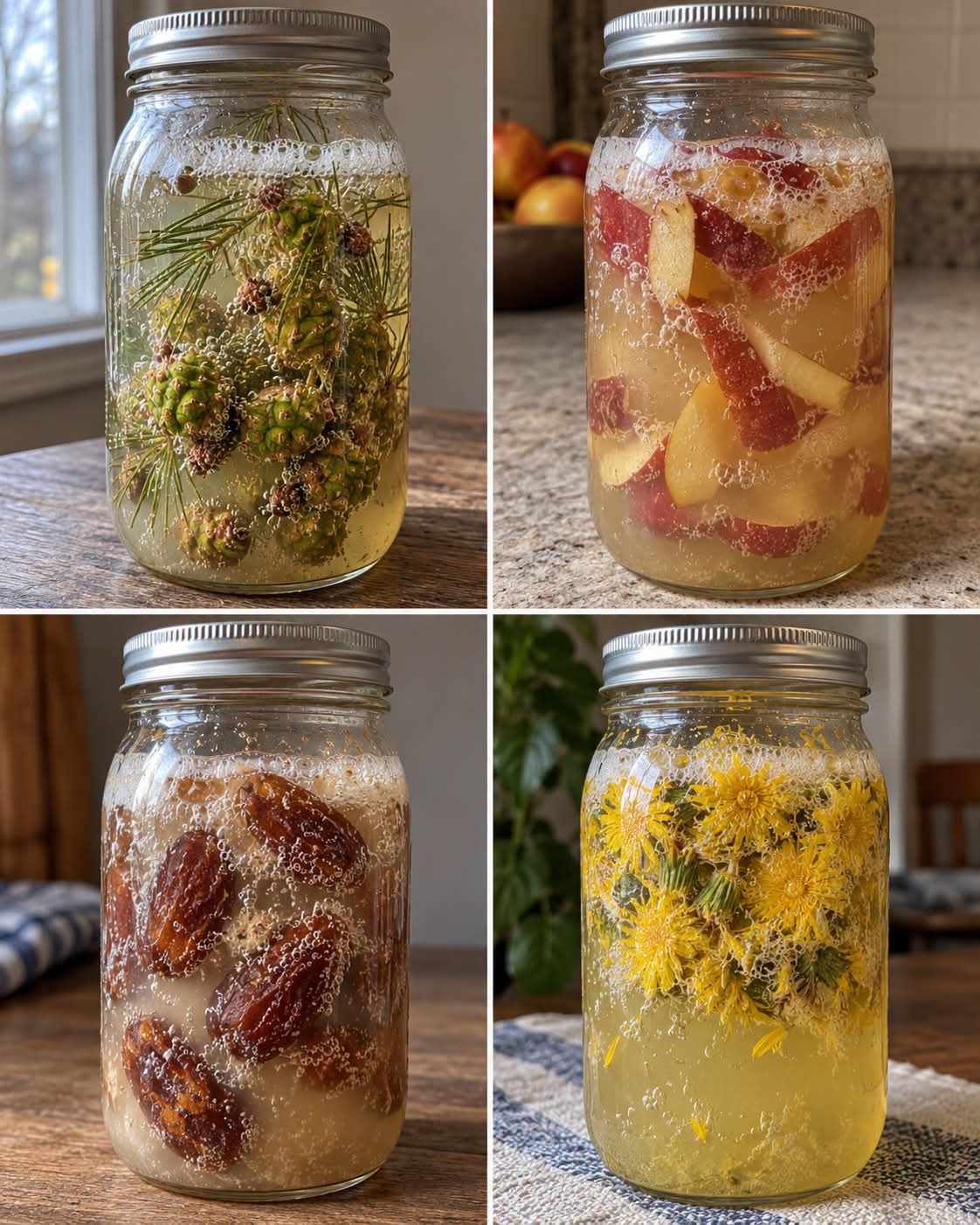
Long before people could buy small packets of dry yeast at the grocery store, all bread and fermented drinks were made using wild yeast. Yeast is a tiny, invisible living organism that naturally exists all around us. It lives on the skins of fruits, the leaves of plants, and the petals of flowers. When you capture this wild yeast and provide it with water and a little sugar, it wakes up and starts to multiply.

This process creates a powerful, natural liquid called “yeast water.” Making your own wild yeast at home is a straightforward and highly rewarding process. It gives you the power to bake homemade bread with incredible, complex flavors and create naturally fizzy drinks using nothing but basic, everyday plant ingredients.
The Best Common Plants for Wild Yeast You do not need to look very far to find wild yeast. The easiest way to start is by using common plants and fruits that have a naturally high amount of yeast living on their surface. Here are the most reliable and easy options to use:
- Raisins and Dried Fruits: Unsulfured dried fruits like raisins, dates, and figs are perfect for beginners. Because they are dried, their natural sugars are concentrated, giving the yeast plenty of accessible food to grow quickly.
- Fresh Grapes and Plums: Have you ever noticed a dusty, powdery white film on the skin of fresh, unwashed grapes or plums? That film is pure wild yeast. These fruits are some of the fastest and most active workers for making homemade yeast.
- Apples: The skin of an apple is covered in strong natural yeast. You can use whole chopped apples or just the peels left over from baking an apple pie.
- Edible Flowers: Spring and summer flowers like dandelions and elderflowers hold a massive amount of yeast and pollen. They work very well and give your finished yeast water a light, pleasant floral aroma.
- Pine Needles and Cones: If you have access to clean, unsprayed pine trees, the fresh green needles or small, unripe green pinecones are excellent sources of wild yeast. They will add a fresh, earthy flavor to your homemade ferments.
What You Need to Get Started Making wild yeast requires almost no special equipment. You likely already have everything you need in your kitchen.
- A clean glass jar with a lid (a standard glass canning jar works best).
- One handful of your chosen plant or fruit. Make sure it is raw and unwashed. Washing removes the wild yeast you are trying to catch.
- Clean water. It is very important to use filtered, bottled, or boiled and cooled water. Normal tap water contains chlorine, which is put there specifically to kill things like wild yeast.
- One or two teaspoons of regular sugar, raw honey, or maple syrup to feed the yeast.
How to Make Wild Yeast Water Once you have your ingredients, the actual process takes only a few minutes of active work, followed by a few days of patience.
- Mix the ingredients: Put your unwashed plant material into the clean glass jar. Add your sugar or honey. Fill the jar with your clean water, making sure to leave about two inches of empty air space at the top. Stir everything gently.
- Close the jar loosely: Put the lid on the jar, but do not screw it on completely tight. As the yeast eats the sugar, it produces carbon dioxide gas. If the lid is entirely sealed, the pressure can build up inside the jar.
- Find a warm spot: Place the jar in a warm room, away from direct, harsh sunlight. Normal room temperature is fine, but a slightly warm spot (between 21°C and 27°C) helps the yeast grow faster.
- Shake and stir daily: This is the most important step. Once or twice a day, tighten the lid, shake the jar vigorously for a few seconds, and then loosen the lid again. This mixes the yeast, moves the food around, and stops any mold from growing on the plant material floating at the top.
- Watch for bubbles: After 3 to 7 days, you will notice distinct changes. The water will become cloudy. When you shake it, a lot of bubbles will rush to the top, looking like a carbonated drink. The liquid will smell pleasantly sweet and yeasty, similar to fresh bread dough.
- Strain the liquid: When it looks very bubbly and active, your wild yeast water is ready. Pour the liquid through a simple kitchen strainer into a new, clean jar. Throw away the fruit or plant pieces. The cloudy liquid in the new jar is your active wild yeast.

How to Use Your Homemade Wild Yeast
- Baking Bread: You can use your yeast water to bake excellent homemade bread without needing commercial yeast. In a simple bread recipe, replace the regular water with your wild yeast water. Because wild yeast works a bit slower than store-bought yeast, you will need to let your bread dough rest and rise for a longer time, often overnight.
- Making Fizzy Drinks: Wild yeast water is the perfect starter for homemade sodas. You can mix a small amount of your yeast water with sweet fruit juice or herbal tea and let it sit at room temperature for a day or two until it becomes naturally bubbly and carbonated.
How to Store and Keep Your Yeast Alive If you are not going to use your yeast water right away, put the sealed jar in the refrigerator. The cold temperature will make the yeast go to sleep, safely preserving it for about two weeks. To keep it alive much longer, simply take it out once a week, add one teaspoon of sugar to feed it, leave it on the counter for a few hours until it bubbles again, and then put it back in the fridge.
