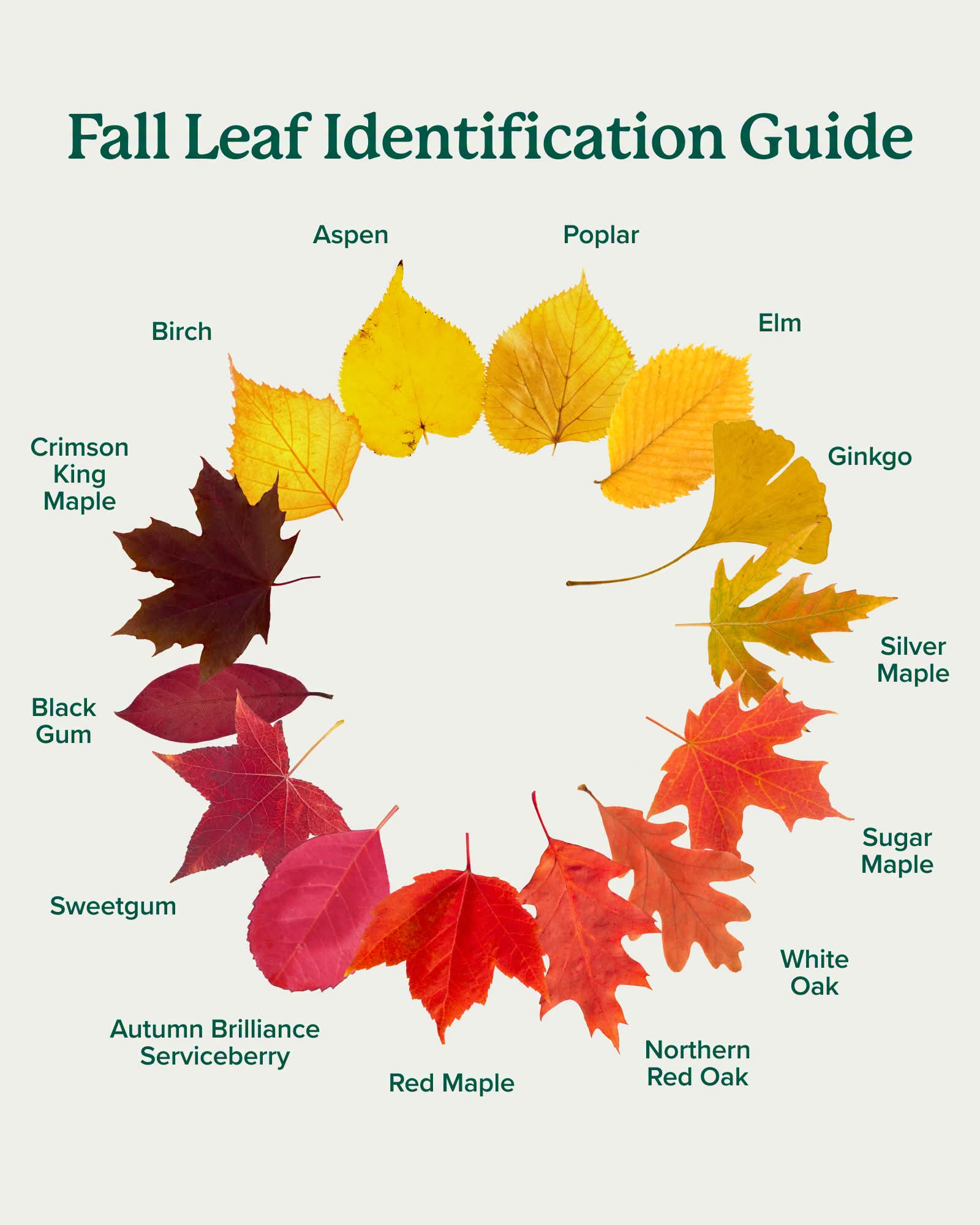
🍁 The Ultimate Fall Foliage Guide: Enjoy Nature’s Most Beautiful Show
There’s something magical about the arrival of fall. 🍂
The days slowly become shorter, the air turns crisp, and the landscape begins its spectacular transformation. Green leaves give way to brilliant shades of yellow, gold, orange, scarlet, crimson, and even deep purple.
If you love autumn color, this is the perfect time to start planning your favorite leaf-peeping adventures — or perhaps even plant a tree that will bring a little piece of that seasonal magic right into your own yard. 🌳🍁
🍂 Why Do Leaves Change Color in Fall?
During the growing season, leaves appear green because they contain chlorophyll, the pigment that helps plants capture sunlight for photosynthesis.
As autumn approaches, cooler temperatures and shorter days signal many deciduous trees to slow down their growth. Chlorophyll production decreases, and the green color gradually disappears.
That allows other pigments that were already present in the leaves to become visible.
Depending on the tree species, you may see:
- 💛 Yellow and gold — common in birch, aspen, ginkgo, and some maple trees
- 🧡 Orange — often seen in sugar maples and other deciduous trees
- ❤️ Red and scarlet — especially striking in red maple, sumac, and some oak trees
- 💜 Deep red and purple — certain maples and other trees can develop rich, dark tones
- 🤎 Bronze and brown — common in oak and beech trees
The result is one of nature’s most spectacular seasonal displays.
🌳 A Simple Fall Foliage Guide
If you’re heading out to enjoy the changing leaves, keep an eye out for these popular trees.
🍁 Maple
Maples are among the stars of autumn.
Depending on the species and conditions, their leaves can turn brilliant yellow, orange, red, or crimson. Sugar maples are particularly famous for their vivid fall display.
If you have enough space for one, a maple can become a spectacular focal point in a landscape.
🌳 Oak
Oak leaves often turn shades of red, russet, bronze, brown, and deep burgundy.
Their fall colors can be especially beautiful when sunlight shines through the leaves.
Oaks also provide valuable habitat and food for wildlife, making them a wonderful choice for a wildlife-friendly landscape where locally appropriate.
🌿 Birch
Birch trees can produce beautiful golden-yellow foliage in autumn.
Their distinctive bark also gives them plenty of visual interest after the leaves have fallen, making them attractive throughout the year.
🌲 Aspen
Aspens are famous for their brilliant golden fall color.
When groups of aspens change at the same time, entire hillsides can appear to glow.
🌳 Ginkgo
Ginkgo trees are famous for their distinctive fan-shaped leaves and spectacular golden-yellow autumn display.
One of the most memorable things about ginkgo foliage is how quickly the leaves can drop once they reach their autumn peak — sometimes creating a golden carpet beneath the tree.
🍁 When Is Peak Fall Color?
There isn’t one universal date for peak foliage.
The timing depends on tree species, latitude, elevation, weather, and local growing conditions.
In general, areas farther north or at higher elevations tend to experience fall color earlier than warmer southern or low-elevation areas.
Even within the same region, one hillside may change color before another.
That’s part of what makes leaf peeping so exciting: the landscape is constantly changing.
👀 How to Make the Most of Leaf Peeping
You don’t necessarily need an elaborate road trip to enjoy autumn color.
Try exploring:
- Local parks
- Nature preserves
- Hiking trails
- Scenic country roads
- Botanical gardens
- Lakeside paths
- Forest trails
- Your own neighborhood
For the best experience, try visiting during the morning or late afternoon when the sunlight can make the foliage appear especially vibrant.
And don’t forget to look up! Some of the most beautiful views are found beneath a canopy of changing leaves.
📸 Tips for Photographing Fall Foliage
Autumn practically begs to be photographed.
For beautiful fall pictures:
Look for contrast.
Bright leaves against a blue sky, dark tree trunks, or water can make the colors stand out.
Use reflections.
Lakes, ponds, and calm rivers can double the beauty of colorful trees.
Photograph individual leaves.
You don’t always need a sweeping landscape. A single red or golden leaf can make a wonderful photograph.
Try different angles.
Look upward through the canopy or get down low and photograph fallen leaves from ground level.
Visit after rain.
Wet leaves can appear richer and more saturated, while puddles can create interesting reflections.
🌱 Want Fall Color in Your Own Yard?
One of the best ways to enjoy autumn year after year is to plant a tree.
A thoughtfully chosen tree can provide seasonal beauty for decades, while also offering shade, habitat, food, nesting opportunities, and other benefits for local wildlife.
Before planting, consider:
- How large the tree will become
- How much sunlight the planting site receives
- Soil and drainage conditions
- Available space for roots and branches
- Distance from buildings, sidewalks, driveways, and utility lines
- Whether the species is appropriate for your region
- Whether it provides value to local wildlife
Whenever possible, choose native or locally appropriate tree species suited to your climate and growing conditions.
A small tree today can become one of the most beautiful features of your landscape years from now.
🍂 Don’t Forget the Fallen Leaves
When the colorful leaves finally reach the ground, resist the temptation to think of them as nothing more than yard waste.
Fallen leaves can be incredibly useful.
They can be shredded and added to compost, used as mulch around appropriate garden areas, or allowed to remain in parts of the landscape where they can provide habitat and organic matter.
A thick layer of leaves on a lawn can sometimes smother the grass, so managing them appropriately is important. But there’s no need to remove every leaf from every corner of your property.
A little mess can be good for nature. 🐿️🍂
🍁 Make Fall an Annual Tradition
Leaf peeping doesn’t have to mean traveling hundreds of miles.
Make it a yearly tradition close to home.
Take a walk with your family. Pack a thermos of something warm. Photograph the first changing tree you notice. Collect a few fallen leaves for crafts. Visit a favorite park and see how it looks from one autumn to the next.
And if you have the space, plant a tree.
Years from now, you may find yourself standing beneath that same tree, watching its leaves turn brilliant shades of gold, orange, and red — remembering the day you planted it.
That’s one of the wonderful things about trees.
You don’t just plant them for today. You plant them for the seasons and generations ahead. 🌳🍁
🍂 What’s Your Favorite Fall Color?
Are you drawn to brilliant red, glowing orange, golden yellow, deep burgundy, or a mixture of everything?
And if you could plant one tree specifically for spectacular autumn color, which would you choose? 🍁👇
